
6 full lessons
Written in plain language, illustrated, and kept as a reference afterward.
Outdoors and hosting · open the gate
Turning a working farm into a place people can visit, learn, and buy from: tours, tastings, farm stands, and the safety, law, and storytelling underneath.
Six lessons built on the University of California agritourism handbook Jules taught from, broadened to the whole country: assessing whether visitors belong on your farm, the liability statutes most states now have, designing a route that lets the work keep happening, telling the farm's story honestly, the permits that appear the moment money changes hands, and a season plan that keeps hosting as income instead of a second job.
6 lessons · about 11 contact hours
$95 once, or $95 on Driftline. Add $60 and Jules reads and grades one real piece of work, passing at 80 percent. Review is optional. Nothing here is accredited or carries credit.
Pay once, and it is yours to come back to. Pick how you want to take it.
On your own
The whole class, the practice work, and the knowledge checks. No pass score, no graded work, no certificate gate.
With Jules reading your work
Everything above, plus one real piece of work, "A one-page agritourism plan for a real farm", that Jules reads and grades against a rubric you can see before you start. You pass at 80 percent, and you can rewrite and send it back as many times as you need. This is optional, and it is not accredited and carries no continuing education credit.
Already taking this class? You can add review later and pay only the $60 difference.
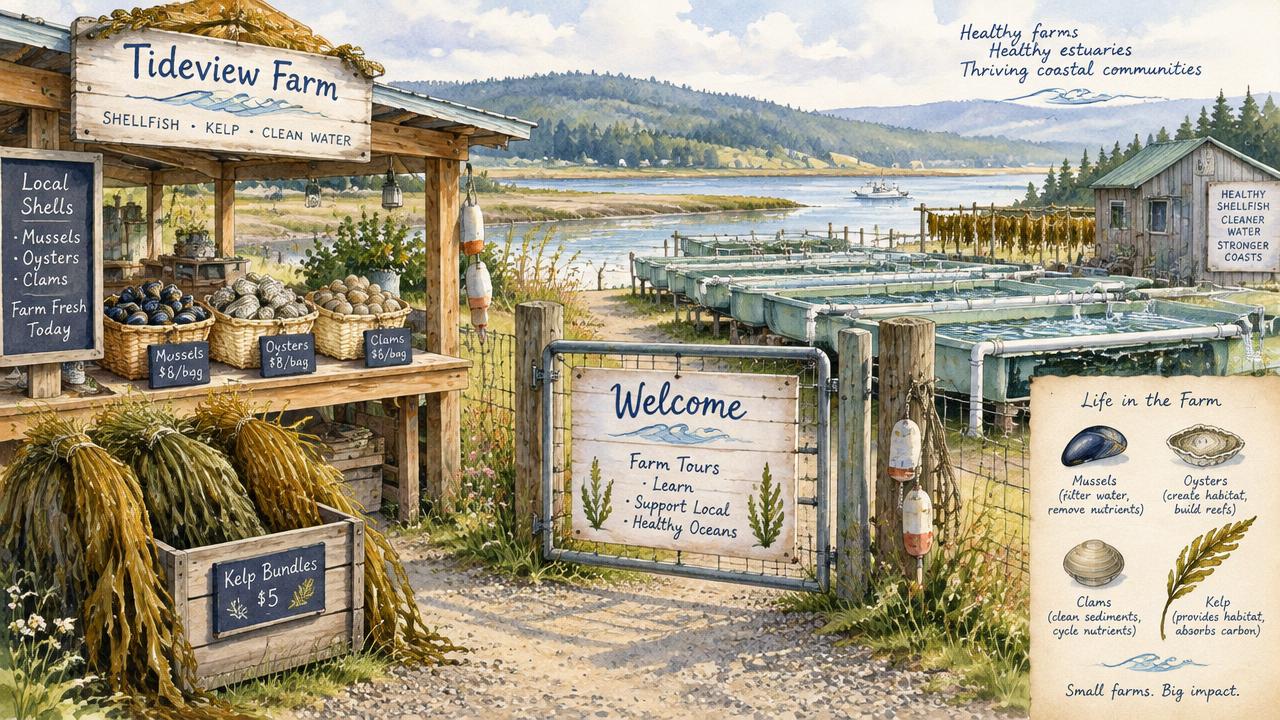
Written in plain language, illustrated, and kept as a reference afterward.
Measured per lesson, with written outcomes, so your time is recorded honestly.
Clear answers and explanations, unlimited tries, and nothing sent to a gradebook.
Rules are shown by state with the source and the date we checked it.
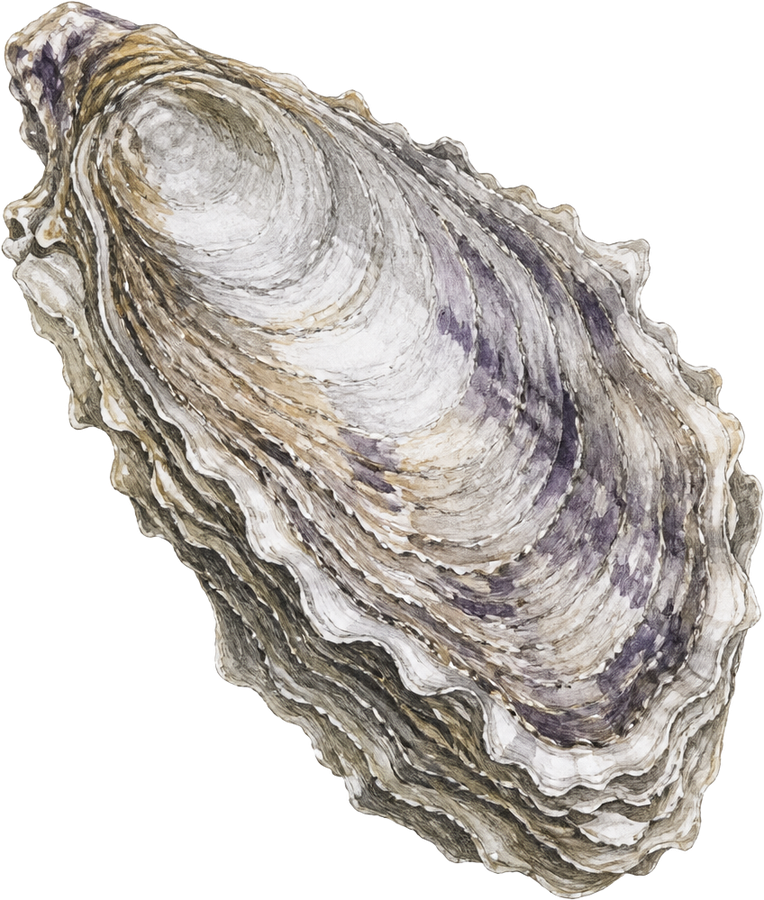
Lesson 1 · 2 h

Lesson 2 · 2 h
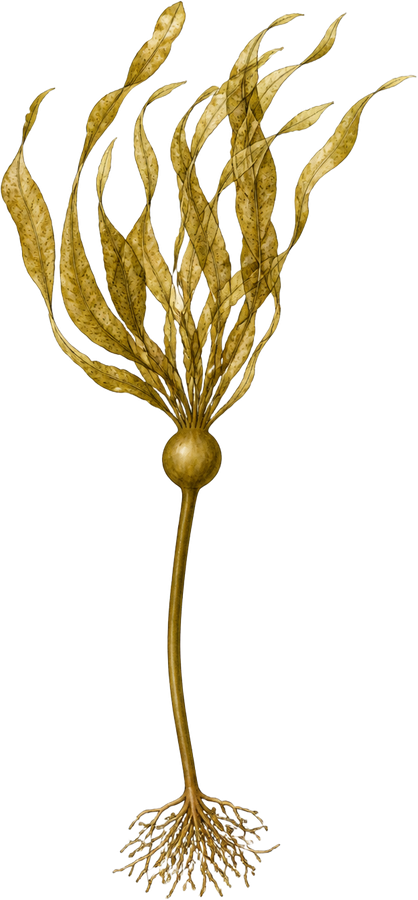
Lesson 3 · 2 h

Lesson 4 · 1.5 h
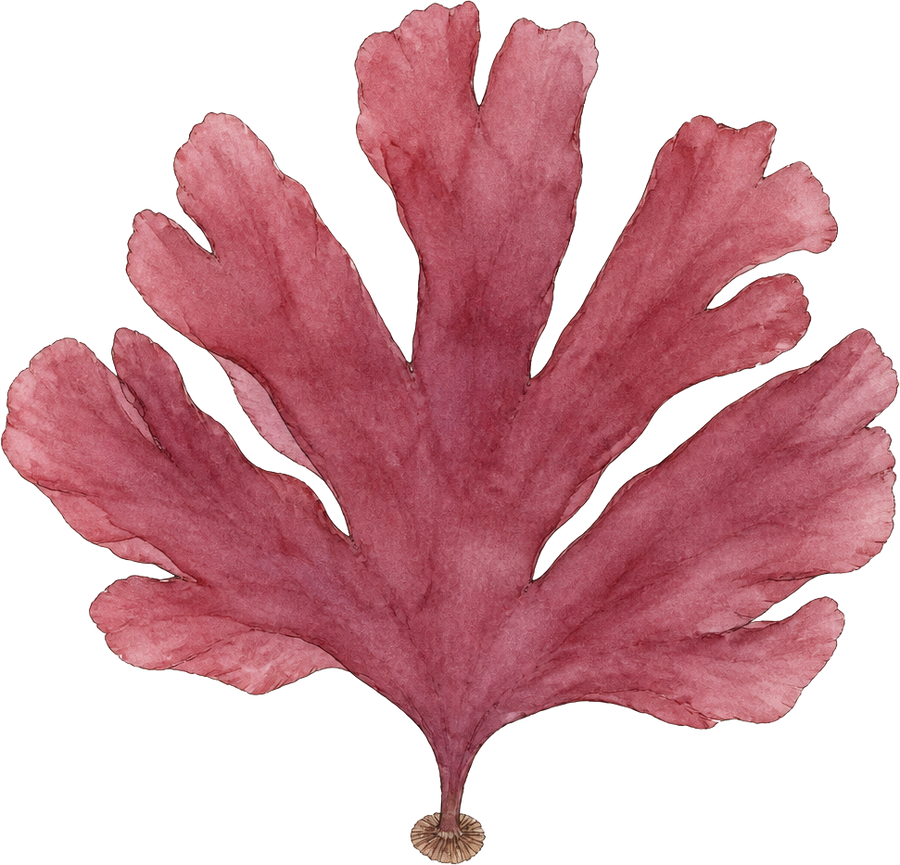
Lesson 5 · 2 h
Lesson 6 · 1.5 h
We say plainly how well each part of the country is covered, rather than implying the whole country is written to the same depth.
Maine's agriculture department collects agritourism guidance for farms adding visitors, including liability and business questions.
Maine Department of Agriculture, Conservation and Forestry, Agritourism in Maine · checked 2026-10-02University of New Hampshire Extension publishes a practical guide to leading a nature walk, useful anywhere you guide people outdoors.
University of New Hampshire Extension, How to Lead a Nature Walk · checked 2026-10-02Georgia Sea Grant's coastal awareness program trains guides and operators in coastal ecology and responsible visitor practice.
University of Georgia Marine Extension and Georgia Sea Grant, CARE Program · checked 2026-10-02Florida's extension program explains agritourism and the state's agritourism law, and Mississippi State Extension publishes a first steps guide for new operators.
University of Florida IFAS, Agritourism · checked 2026-10-02Everyone gets the same lessons, practice work, and knowledge checks. For $60 more you also get one real assignment that Jules reads and grades. You can see exactly how it is judged before you start, you pass at 80 percent, and you can rewrite and send it back as many times as you need. This is optional, and it is still not accredited and carries no continuing education credit.
The assignment
Assess a real farm for visitors and write the plan, or the honest reason not to host.
Choose a real farm, yours or one you know well. Assess what visitors would find interesting, what would be dangerous, and what would interrupt the work. Find your state's agritourism statute, or say plainly that your state has none, and name the county office that decides land-use permission. Sketch the visitor route with parking, restrooms, and accessibility. List what you would sell and the permit each sale needs. Finish with the season plan: how many tours or open days, listed where, and the number that would tell you it is working. If your honest answer is that this farm should not host, write that instead and defend it.
How it is graded
The assessment is honest · 25 points
Attractions, hazards, and conflicts with the work are all named, including the uncomfortable ones.
The law is checked, not assumed · 25 points
The state statute and the county permission process are found and described with sources.
The visit is designed · 25 points
Route, parking, restrooms, signage, and accessibility are planned before the first guest.
The plan has a number · 25 points
Season, capacity, and a measurable sign of success are stated, or a well-argued decision not to host is made.
100 points in total. You pass at 80. Jules grades what you worked out, not your formatting or your word count.
The guiding class covers leading groups on the shore itself. The marketing class helps with pricing and buyers, and Brackish Business covers running the whole thing as a business.
This course does not carry accreditation, credit, or continuing education units, and completing it does not count toward any outside credential. It is written to the structure a continuing education standard expects, with measured hours, written outcomes, and a completion record you can keep.