6 full lessons
Written in plain language, illustrated, and kept as a reference afterward.
Start here · the whole field, no background needed
The whole field in plain language: what aquaculture is, the species groups, why water is the real job, the farm systems people use, who does what, and how the rules are put together.
Six lessons take you from never having heard the word to understanding the species groups, the water readings that decide everything, the farm systems and their trade-offs, the jobs inside the industry, and which agency governs what. It is the course the other courses assume you have taken.
$25 once, or $15 on Driftline. Add $60 and Jules reads and grades one real piece of work, passing at 80 percent. Review is optional. Nothing here is accredited or carries credit.
Pay once, and it is yours to come back to. Pick how you want to take it.
On your own
The whole class, the practice work, and the knowledge checks. No pass score, no graded work, no certificate gate.
With Jules reading your work
Everything above, plus one real piece of work, "Read one real operation", that Jules reads and grades against a rubric you can see before you start. You pass at 80 percent, and you can rewrite and send it back as many times as you need. This is optional, and it is not accredited and carries no continuing education credit.
Already taking this class? You can add review later and pay only the $60 difference.
Driftline is the pay-what-works price for students, deckhands, and anyone for whom the full price is the thing standing in the way. Same class, no questions asked.
Written in plain language, illustrated, and kept as a reference afterward.
Measured per lesson, with written outcomes, so your time is recorded honestly.
Clear answers and explanations, unlimited tries, and nothing sent to a gradebook.
Rules are shown by state with the source and the date we checked it.
Lesson 1 · 1 h
Lesson 2 · 1.5 h
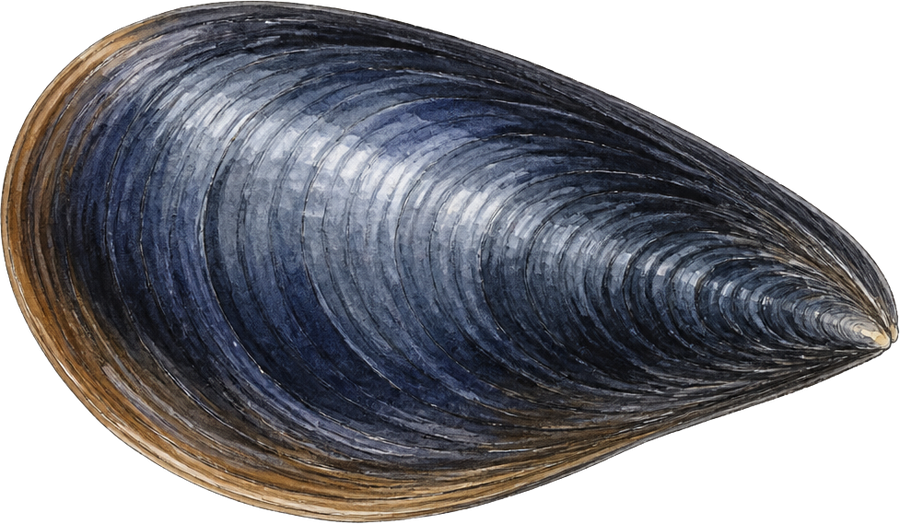
Lesson 3 · 1.5 h
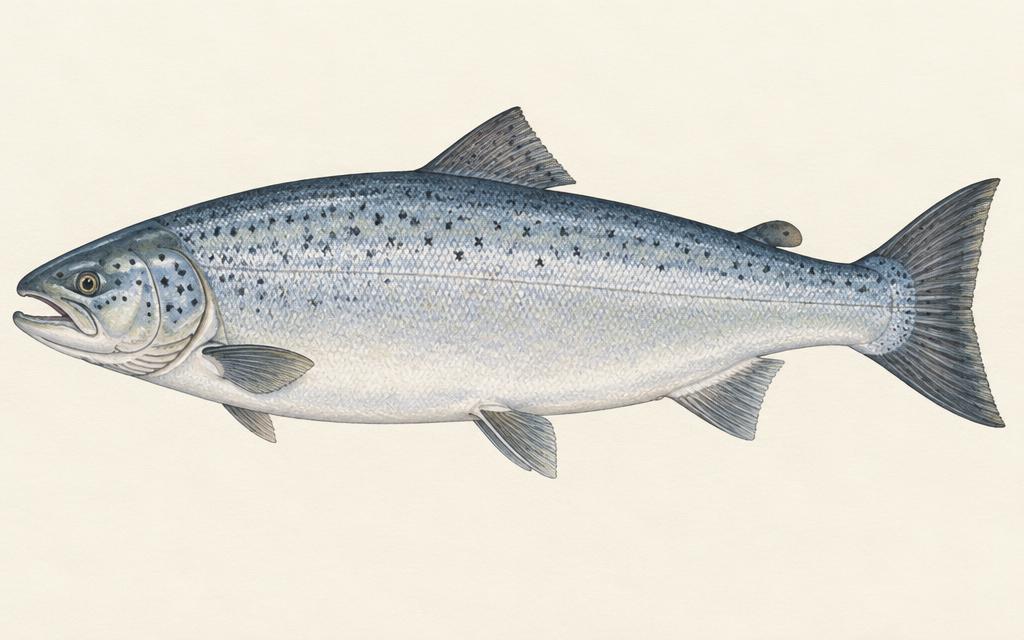
Lesson 4 · 2 h
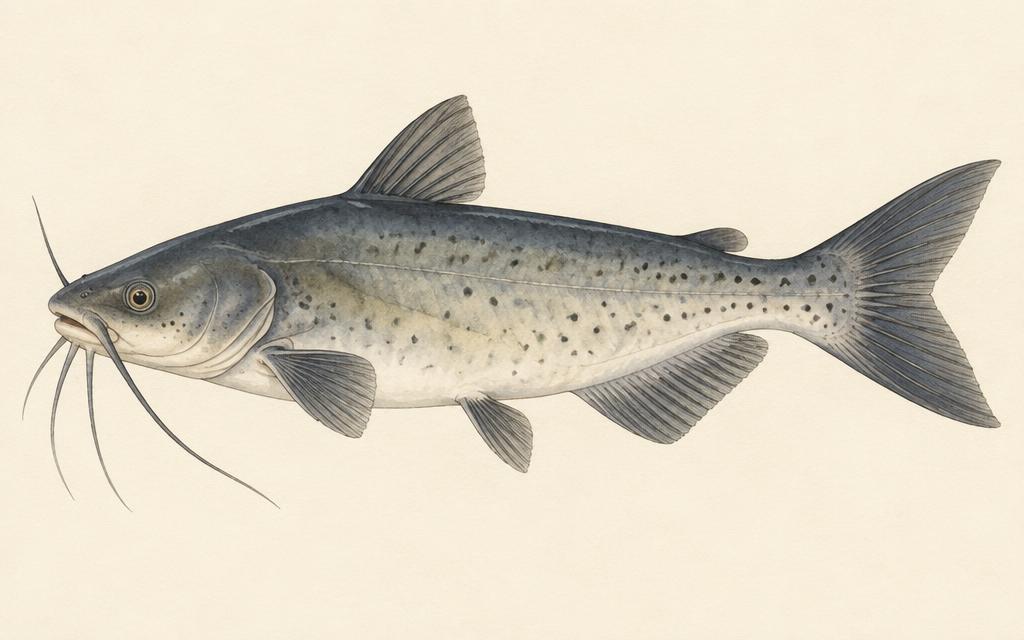
Lesson 5 · 1 h
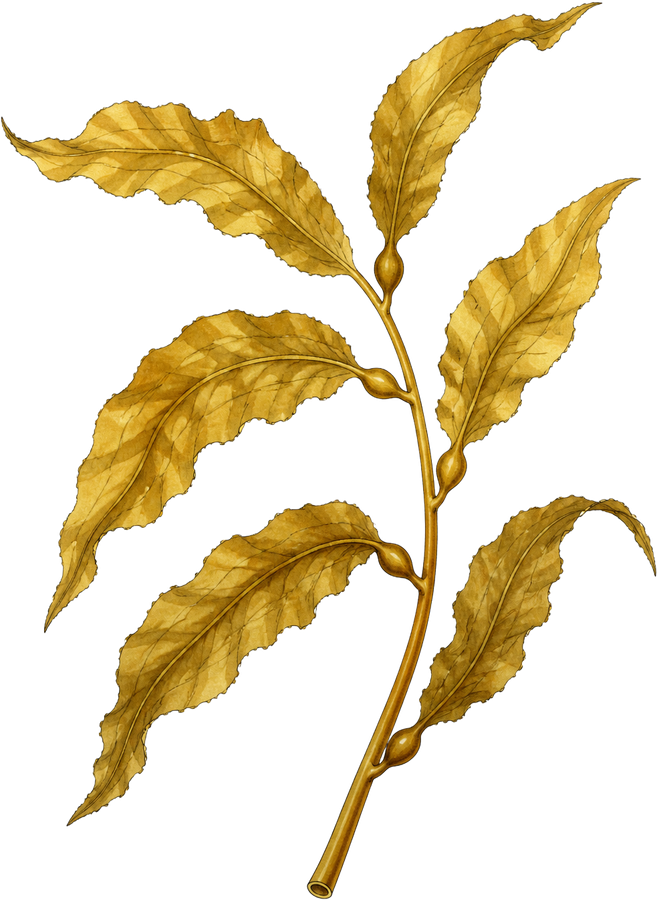
Lesson 6 · 1 h
We say plainly how well each part of the country is covered, rather than implying the whole country is written to the same depth.
NOAA Fisheries publishes the national picture for marine aquaculture, including permitting overviews and regional contacts. It is the best single starting point before you narrow to your own state.
NOAA Fisheries, aquaculture · checked 2026-09-18Farms that discharge to waters of the United States can fall under the national permit program that the Environmental Protection Agency runs, often administered by the state. Which farms are covered depends on the system and the production level.
EPA, aquaculture and NPDES permits · checked 2026-09-18Molluscan shellfish for food are managed through the National Shellfish Sanitation Program, a cooperative arrangement between the states and the Food and Drug Administration. Your state runs the day-to-day classifications and closures.
FDA, National Shellfish Sanitation Program · checked 2026-09-18Pond, raceway, and recirculating farms inland are usually licensed by a state agriculture or natural resources department, with fish health and movement rules attached. There is no single national inland license.
USDA NASS, Census of Aquaculture · checked 2026-09-18Everyone gets the same lessons, practice work, and knowledge checks. For $60 more you also get one real assignment that Jules reads and grades. You can see exactly how it is judged before you start, you pass at 80 percent, and you can rewrite and send it back as many times as you need. This is optional, and it is still not accredited and carries no continuing education credit.
The assignment
Pick a working farm or hatchery you can learn about publicly and explain what it actually does.
Choose one aquaculture operation anywhere in the United States that publishes enough about itself for you to describe it honestly. Write two to three pages covering: the species and why that species suits that water; the system type in plain words; who does the daily work and roughly how many people; and the parts you could not find out. For anything you could not find, name the agency, association, or office that would hold the answer instead of filling the gap yourself. Link or cite every source, with the date you checked it.
How it is graded
Species and water matched honestly · 25 points
You explain why this species is farmed in this place using conditions that are actually reported, not general claims about the species.
System described in working terms · 25 points
Someone who has never seen the site could picture the gear, the cycle, and the yearly rhythm from your description.
Sources named and dated · 25 points
Every factual claim traces to a source you name, with the date you checked it. Nothing borrowed from memory.
Gaps stated, not filled · 25 points
What you could not learn is written down as unknown, with the office that would know it named.
100 points in total. You pass at 80. Jules grades what you worked out, not your formatting or your word count.
The final lesson points you to your own state's Sea Grant or extension office, your state licensing page, a nearby farm or restoration project, the species course that fits your interest, and college programs when credit and supervised hours are what you need.
This course does not carry accreditation, credit, or continuing education units, and completing it does not count toward any outside credential. It is written to the structure a continuing education standard expects, with measured hours, written outcomes, and a completion record you can keep.