6 full lessons
Written in plain language, illustrated, and kept as a reference afterward.
In the kitchen · whole fish to plate
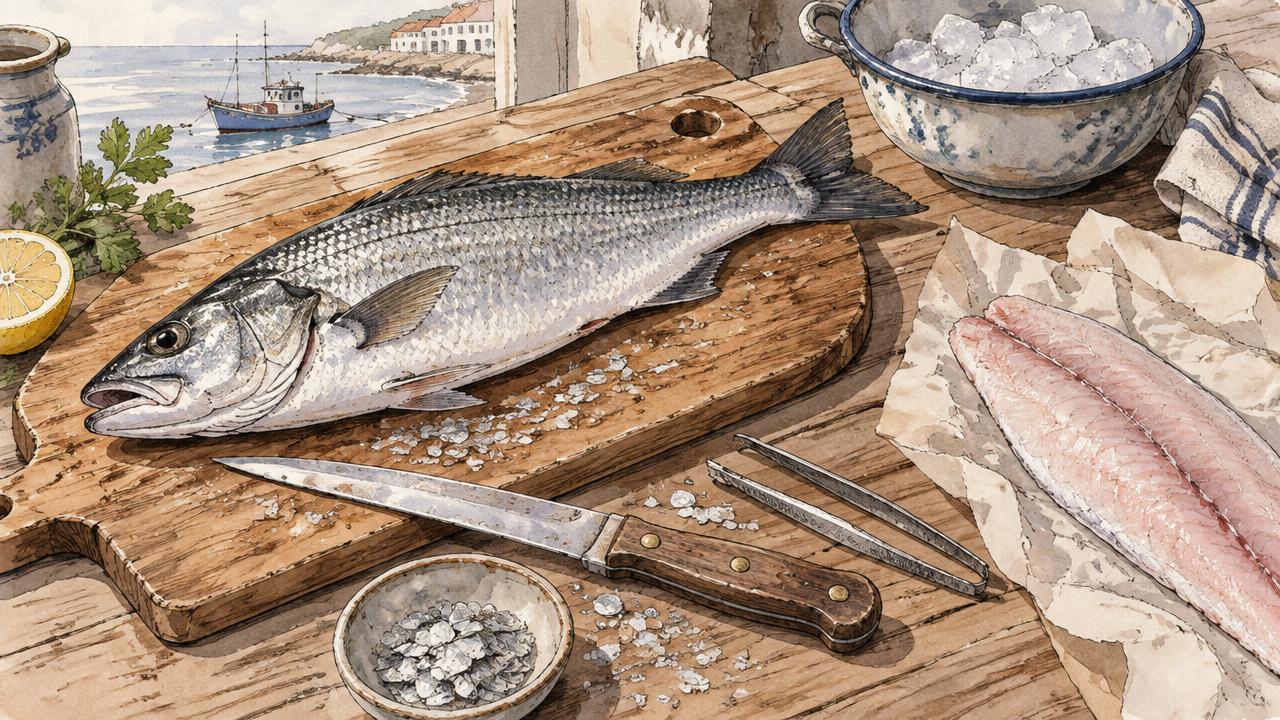
Whole fish to plate: choosing it, scaling, gutting, filleting, portioning, working out real yield, cooking by cut, and handling raw service honestly.
Six lessons on using a whole fish: judging freshness at the counter, the handling in the first hour that decides eating quality, setting up and scaling and gutting cleanly, filleting round and flat fish by following the bone, portioning and working out the yield you actually got, and cooking by cut with the freezing rules that apply before anything is served raw.
$95 once, or $95 on Driftline. Add $60 and Jules reads and grades one real piece of work, passing at 80 percent. Review is optional. Nothing here is accredited or carries credit.
Pay once, and it is yours to come back to. Pick how you want to take it.
On your own
The whole class, the practice work, and the knowledge checks. No pass score, no graded work, no certificate gate.
With Jules reading your work
Everything above, plus one real piece of work, "A whole fish broken down, with your real yield", that Jules reads and grades against a rubric you can see before you start. You pass at 80 percent, and you can rewrite and send it back as many times as you need. This is optional, and it is not accredited and carries no continuing education credit.
Already taking this class? You can add review later and pay only the $60 difference.
Written in plain language, illustrated, and kept as a reference afterward.
Measured per lesson, with written outcomes, so your time is recorded honestly.
Clear answers and explanations, unlimited tries, and nothing sent to a gradebook.
Rules are shown by state with the source and the date we checked it.
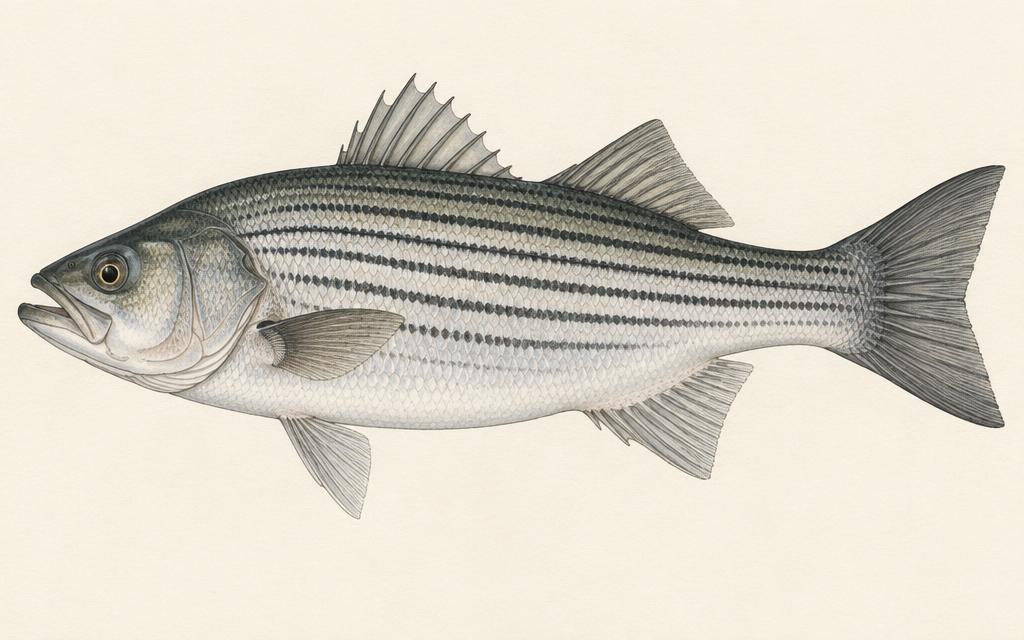
Lesson 1 · 1.5 h
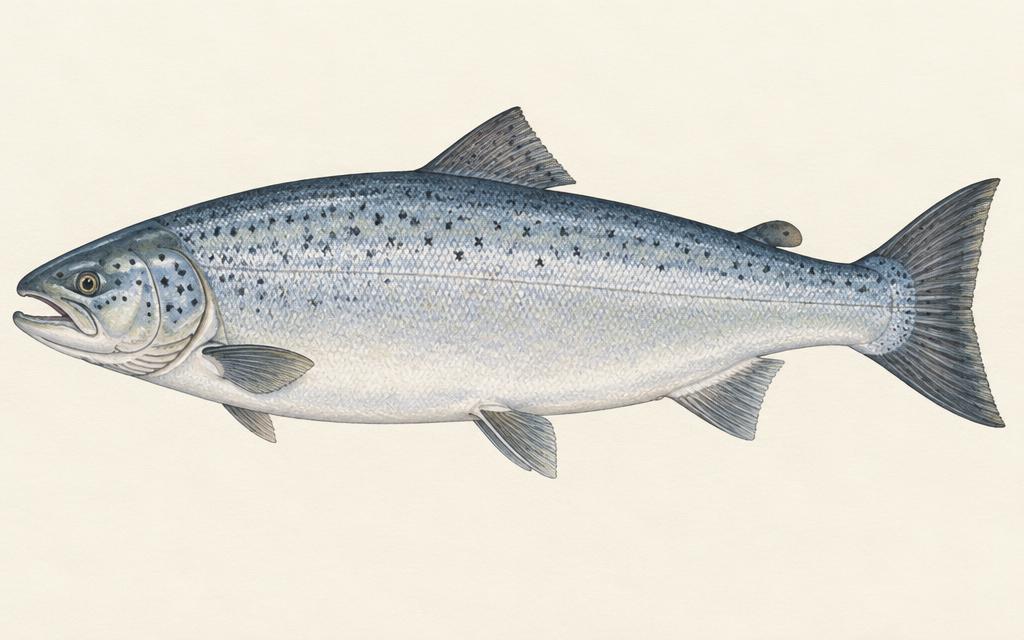
Lesson 2 · 2 h
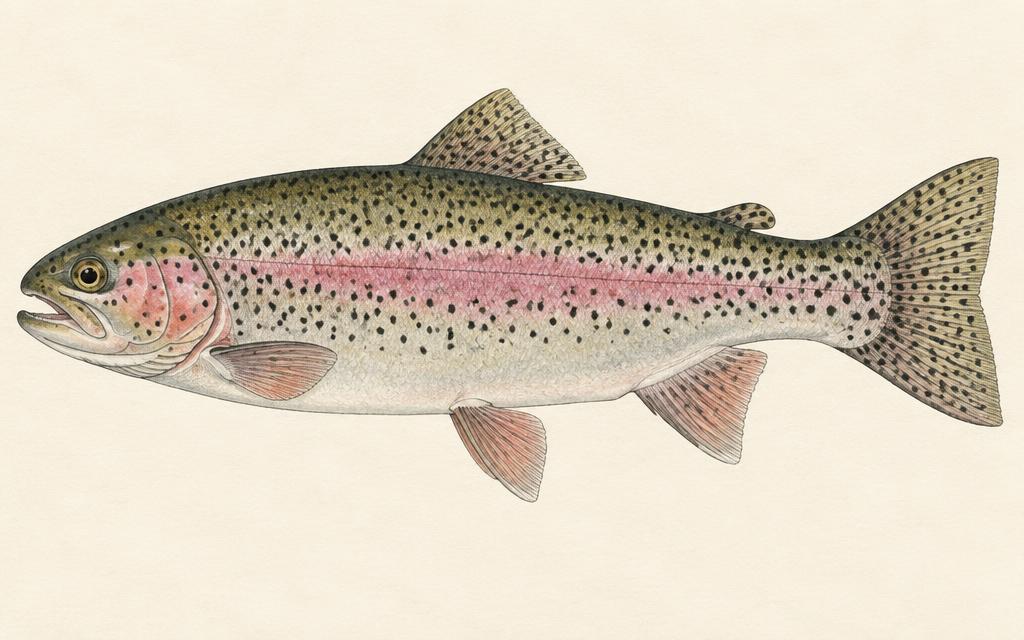
Lesson 3 · 2 h
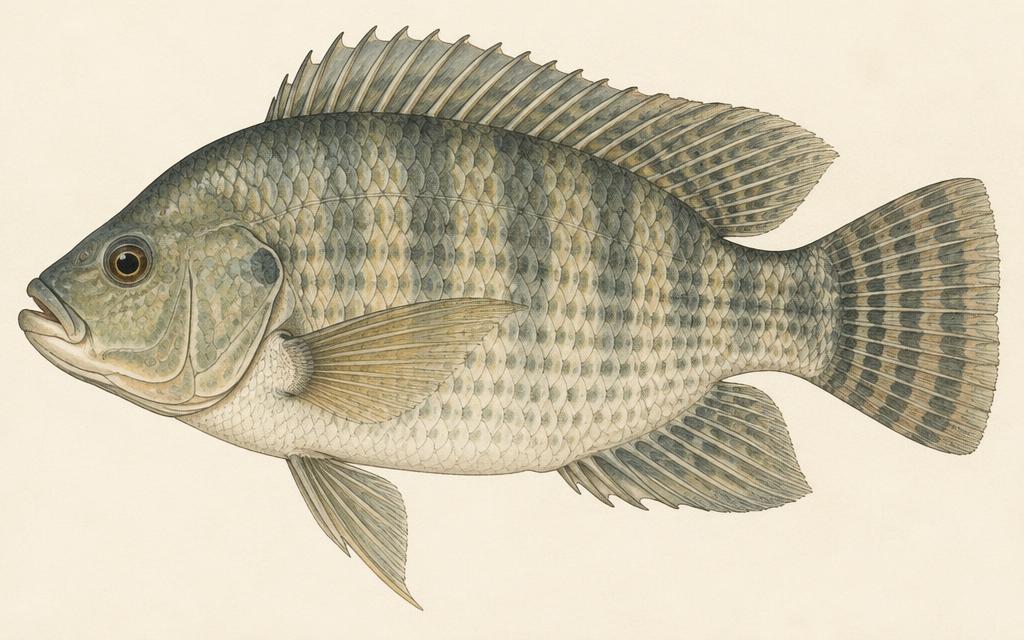
Lesson 4 · 2.5 h
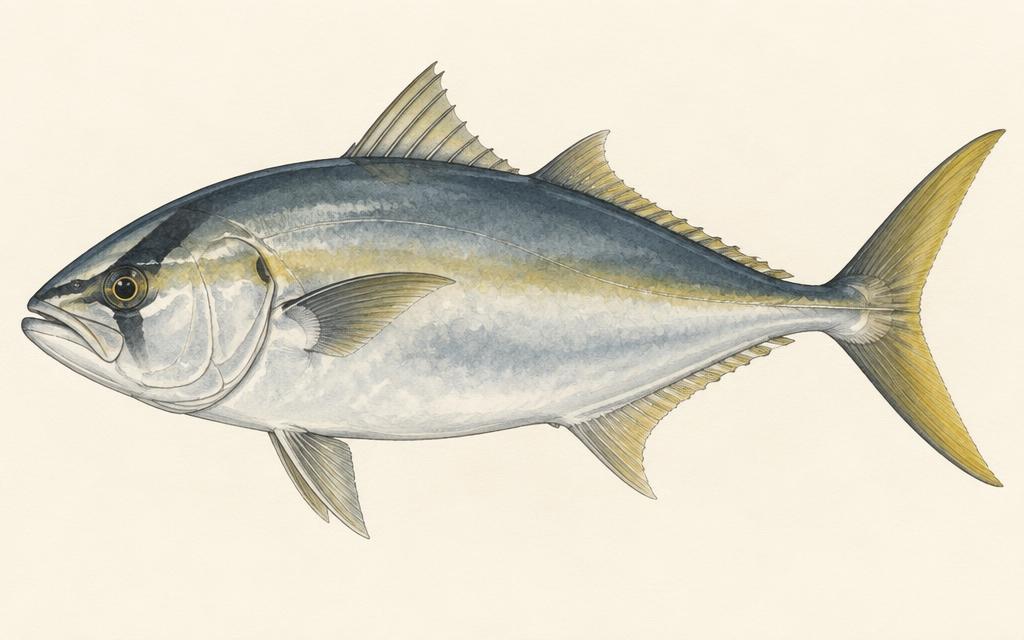
Lesson 5 · 2 h
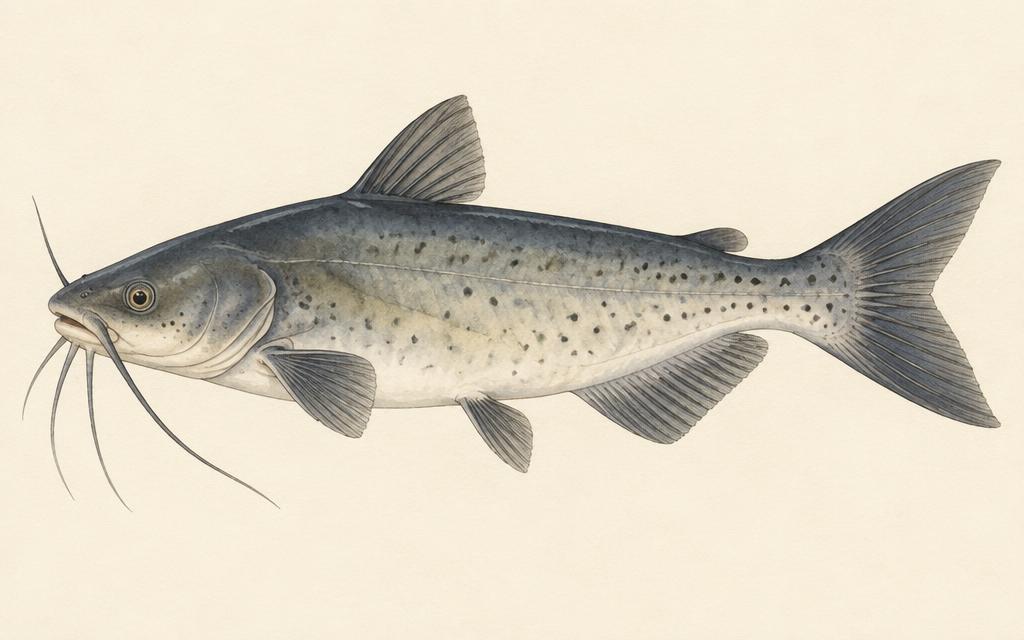
Lesson 6 · 2 h
We say plainly how well each part of the country is covered, rather than implying the whole country is written to the same depth.
The federal chart gives 145 degrees Fahrenheit for fin fish, or cooked until the flesh is opaque and separates easily with a fork. A thermometer is the only honest check.
FoodSafety.gov, Safe Minimum Internal Temperatures · checked 2026-09-19Parasite hazards in finfish are covered in the federal seafood hazards guidance, which sets out the freezing time and temperature combinations used to destroy parasites before fish is served raw or undercooked. There is no legal grade called sushi grade.
FDA Fish and Fishery Products Hazards and Controls Guidance, Chapter 5, Parasites · checked 2026-09-19North Carolina Sea Grant's Mariner's Menu explains whole, drawn, dressed, fillet, and steak forms with edible-yield percentages, plus step-by-step scaling, gutting, and filleting.
North Carolina Sea Grant, Market Forms of Fresh Fish and Cleaning Methods · checked 2026-09-19Alaska Sea Grant publishes measured recovery and yield tables for more than sixty Pacific fish and shellfish species. If you want to stop guessing what a whole fish gives you, start there.
Alaska Sea Grant, Recoveries and Yields from Pacific Fish and Shellfish · checked 2026-09-19Everyone gets the same lessons, practice work, and knowledge checks. For $60 more you also get one real assignment that Jules reads and grades. You can see exactly how it is judged before you start, you pass at 80 percent, and you can rewrite and send it back as many times as you need. This is optional, and it is still not accredited and carries no continuing education credit.
The assignment
Break down one whole fish, work out what it actually gave you, and cook it.
Buy or catch one whole fish. Record its weight, break it down, and weigh the fillets and the trim. Work out your recovery percentage and compare it with a published yield figure for a similar species, naming your source. Say what you did with the frame, collar, and trim. Then cook one portion, record the internal temperature, and say what you would do differently with the next fish.
How it is graded
Freshness assessed before buying · 25 points
Eyes, gills, flesh, and smell are described as observed, not as a list copied from a chart.
Breakdown described step by step · 25 points
Setup, scaling, gutting, and filleting are written in an order another person could follow.
Yield calculated and compared · 25 points
Real weights are given, the percentage is worked out, and it is compared with a cited published figure.
Cooking verified, not guessed · 25 points
An internal temperature is recorded and matched against published guidance, and waste use is accounted for.
100 points in total. You pass at 80. Jules grades what you worked out, not your formatting or your word count.
Take the safety and handling class first if you cook for other people. Finfish 101 covers the species and how they are farmed.
This course does not carry accreditation, credit, or continuing education units, and completing it does not count toward any outside credential. It is written to the structure a continuing education standard expects, with measured hours, written outcomes, and a completion record you can keep.