6 full lessons
Written in plain language, illustrated, and kept as a reference afterward.
In the kitchen · live shellfish, handled well
Receiving live animals, holding them alive, shucking without hurting yourself, steaming and roasting, picking crab and lobster, and knowing exactly when something should be thrown out.
Six lessons on working with live shellfish: reading tags and rejecting a bad delivery, holding animals alive without drowning them in fresh water, shucking with your hand protected, cooking by species and judging doneness by published guidance, picking crab and lobster for real yield, and saying something honest when a customer asks whether raw oysters are safe for them.
$95 once, or $95 on Driftline. Add $60 and Jules reads and grades one real piece of work, passing at 80 percent. Review is optional. Nothing here is accredited or carries credit.
Pay once, and it is yours to come back to. Pick how you want to take it.
On your own
The whole class, the practice work, and the knowledge checks. No pass score, no graded work, no certificate gate.
With Jules reading your work
Everything above, plus one real piece of work, "A live shellfish service, from the door to the plate", that Jules reads and grades against a rubric you can see before you start. You pass at 80 percent, and you can rewrite and send it back as many times as you need. This is optional, and it is not accredited and carries no continuing education credit.
Already taking this class? You can add review later and pay only the $60 difference.
Written in plain language, illustrated, and kept as a reference afterward.
Measured per lesson, with written outcomes, so your time is recorded honestly.
Clear answers and explanations, unlimited tries, and nothing sent to a gradebook.
Rules are shown by state with the source and the date we checked it.
Lesson 1 · 1.5 h
Lesson 2 · 2 h
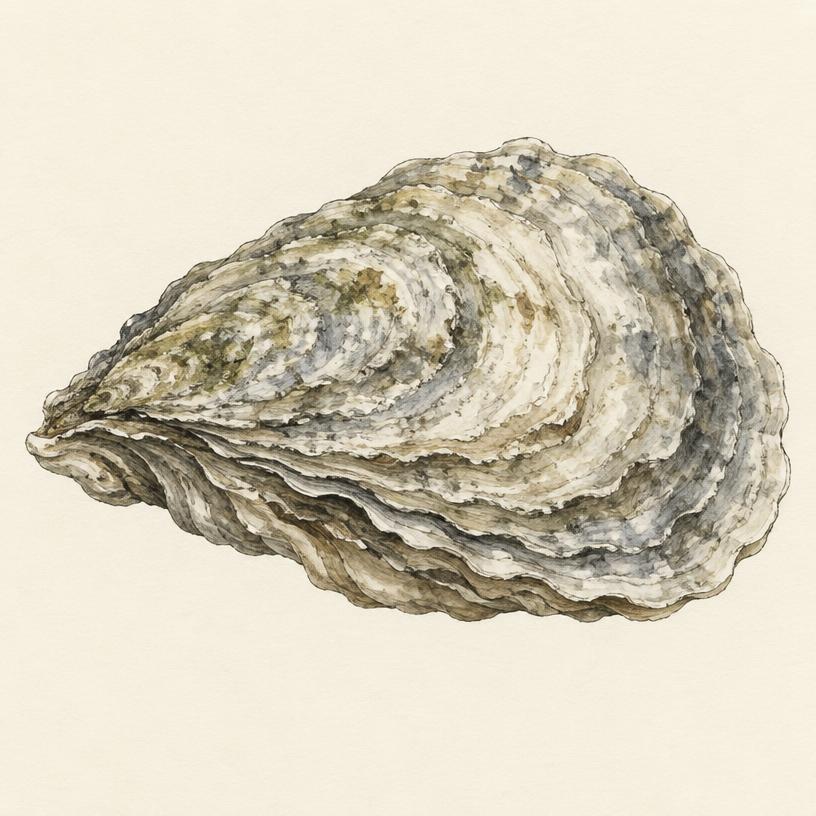
Lesson 3 · 2.5 h
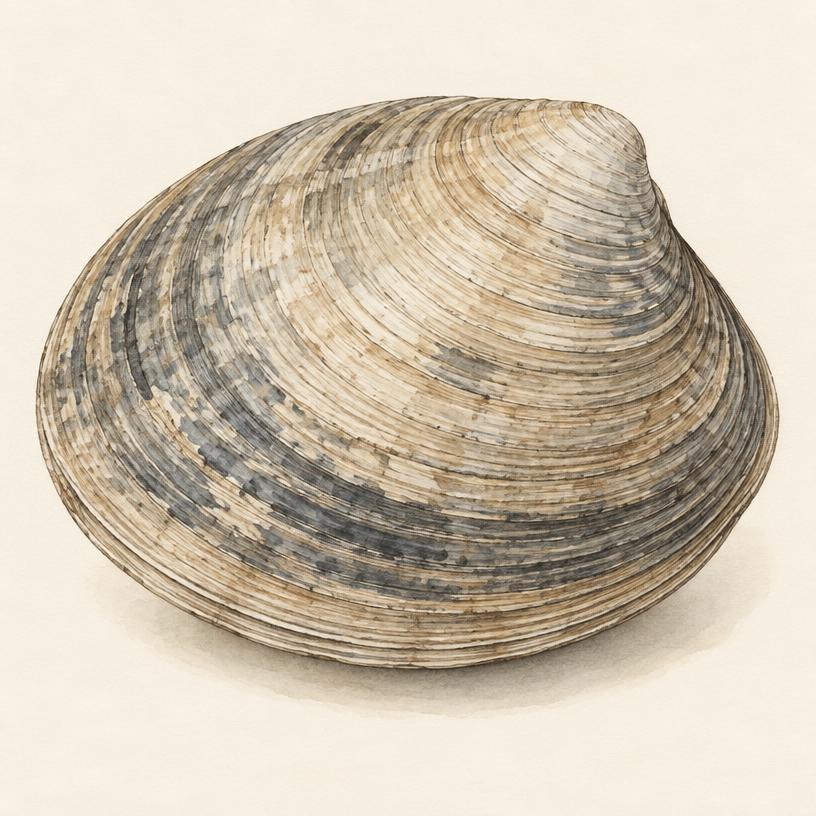
Lesson 4 · 2 h
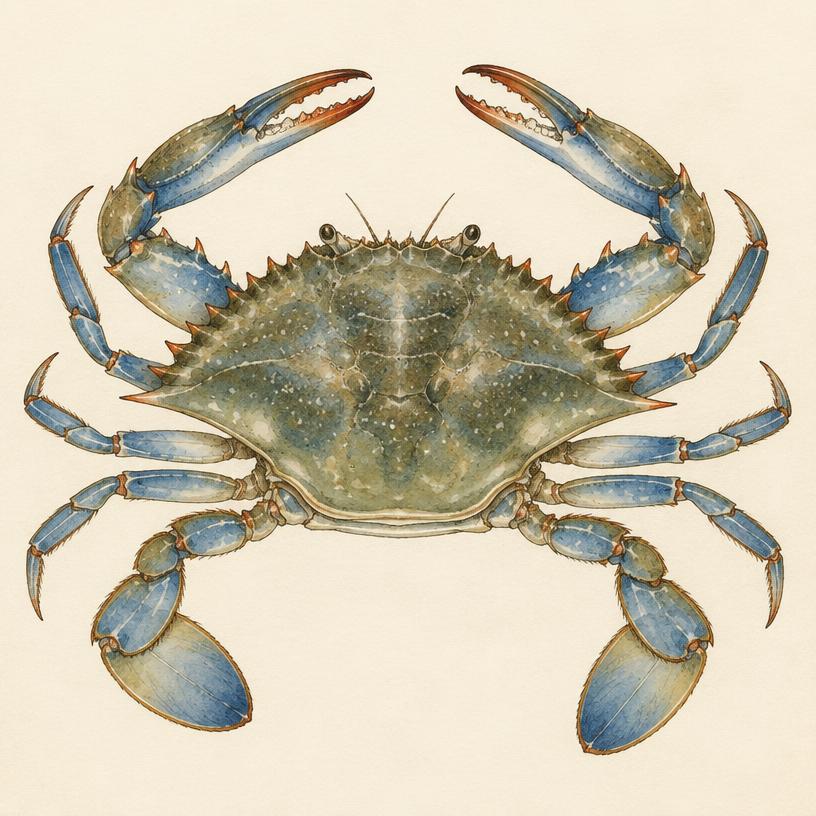
Lesson 5 · 2 h
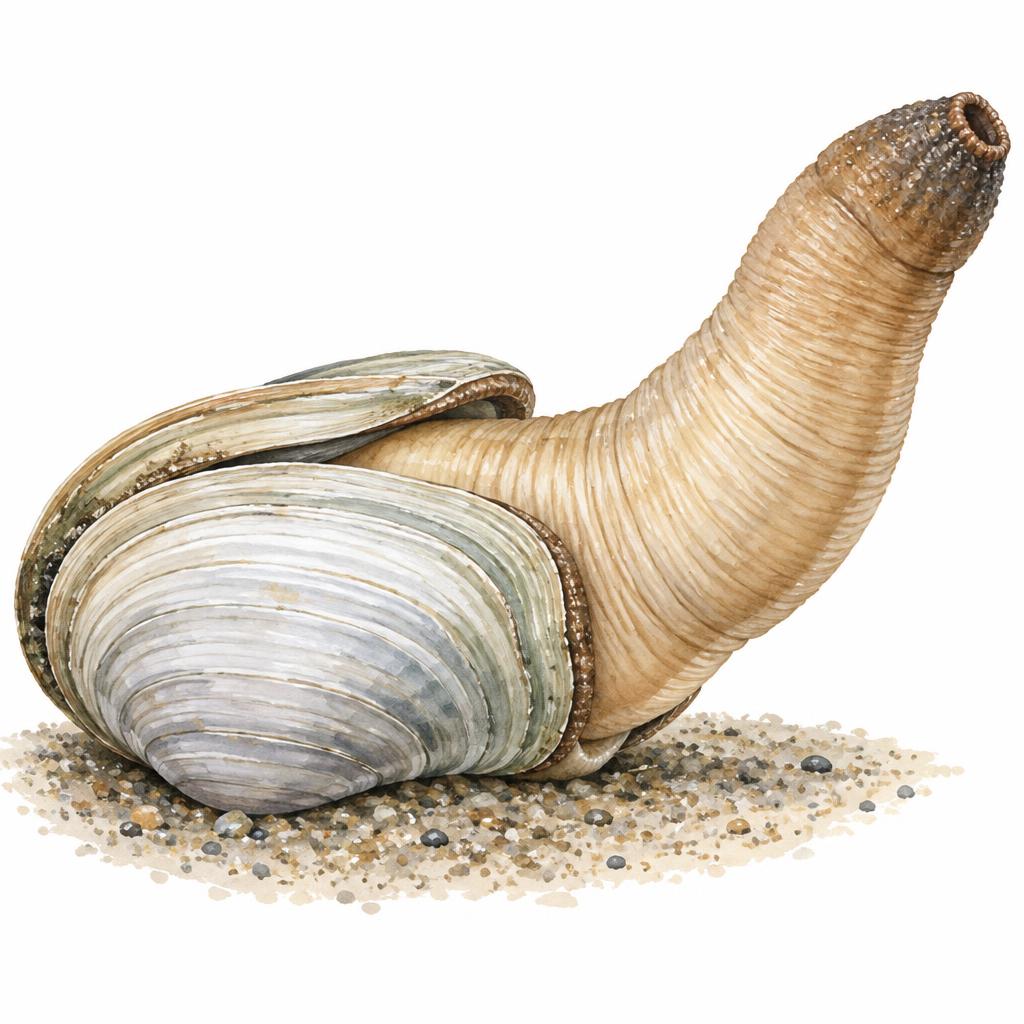
Lesson 6 · 1.5 h
We say plainly how well each part of the country is covered, rather than implying the whole country is written to the same depth.
The National Shellfish Sanitation Program sets how molluscan shellfish are harvested, tagged, and shipped, and only shippers on the published interstate list may ship across state lines. Tags are kept ninety days.
FDA National Shellfish Sanitation Program · checked 2026-09-19The CDC states plainly that you cannot tell whether an oyster carries Vibrio by look, smell, or taste, and that hot sauce, lemon juice, and alcohol do not kill it. Only proper cooking does.
CDC, Vibrio and Oysters · checked 2026-09-19The federal safe-temperature chart says clams, oysters, and mussels are cooked when the shells open, and that shrimp, lobster, crab, and scallops are done when the flesh is opaque and pearly. Discard any shell that stays shut.
FoodSafety.gov, Safe Minimum Internal Temperatures · checked 2026-09-19Washington State Department of Health publishes plain storage limits by species for recreationally harvested shellfish, along with cooking guidance. It is the clearest free write-up of how long live shellfish actually hold.
Washington State Department of Health, Recreational Shellfish Harvesting · checked 2026-09-19Everyone gets the same lessons, practice work, and knowledge checks. For $60 more you also get one real assignment that Jules reads and grades. You can see exactly how it is judged before you start, you pass at 80 percent, and you can rewrite and send it back as many times as you need. This is optional, and it is still not accredited and carries no continuing education credit.
The assignment
Take one species of live shellfish through receiving, holding, cooking, and service.
Pick one species of live shellfish. Write the whole path: what you check at the door and what you would reject, where the tag goes and how long you keep it, how you hold the animals alive and for how long, how you cook or shuck them, and how you judge doneness. If you would serve any of it raw, say what you would tell a customer who asks whether it is safe for them. Cite the published guidance behind every temperature, time, and storage limit.
How it is graded
Receiving and traceability handled properly · 25 points
Tag handling, approved source, temperature, and rejection criteria are all stated.
Holding conditions suit a live animal · 25 points
Cold, air, drainage, and a realistic species-specific holding limit, with the source for the limit.
Doneness judged by published guidance · 25 points
Cooking method and doneness check match agency guidance rather than habit.
Raw risk stated truthfully · 25 points
If raw service is involved, the risk and the higher-risk groups are described accurately and without overstating or hiding them.
100 points in total. You pass at 80. Jules grades what you worked out, not your formatting or your word count.
Take the safety and handling class first if you cook for other people. Shellfish 101 covers the animals themselves and how they are grown.
This course does not carry accreditation, credit, or continuing education units, and completing it does not count toward any outside credential. It is written to the structure a continuing education standard expects, with measured hours, written outcomes, and a completion record you can keep.