6 full lessons
Written in plain language, illustrated, and kept as a reference afterward.
Start here · a clear look before you commit anything
A short, honest look at the jobs, the species, the systems, and the money, so you can tell which corner of this work is actually yours.
Six short lessons for anyone circling this work from the outside: what aquaculture actually covers, what seaweed, shellfish, and finfish each ask of a person, the systems and the places that suit them, the jobs that really exist beyond owning a farm, honest talk about time and money, and one next step with a date on it.
$45 once, or $45 on Driftline. Add $60 and Jules reads and grades one real piece of work, passing at 80 percent. Review is optional. Nothing here is accredited or carries credit.
Pay once, and it is yours to come back to. Pick how you want to take it.
On your own
The whole class, the practice work, and the knowledge checks. No pass score, no graded work, no certificate gate.
With Jules reading your work
Everything above, plus one real piece of work, "Your next twelve months, written down", that Jules reads and grades against a rubric you can see before you start. You pass at 80 percent, and you can rewrite and send it back as many times as you need. This is optional, and it is not accredited and carries no continuing education credit.
Already taking this class? You can add review later and pay only the $60 difference.
Written in plain language, illustrated, and kept as a reference afterward.
Measured per lesson, with written outcomes, so your time is recorded honestly.
Clear answers and explanations, unlimited tries, and nothing sent to a gradebook.
Rules are shown by state with the source and the date we checked it.
Lesson 1 · 1 h

Lesson 2 · 1.5 h

Lesson 3 · 1.5 h
Lesson 4 · 1.5 h
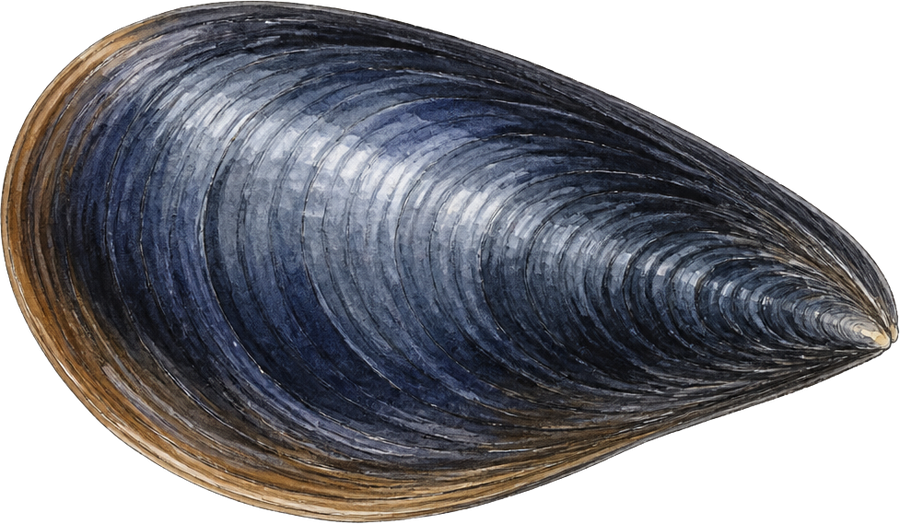
Lesson 5 · 1.5 h
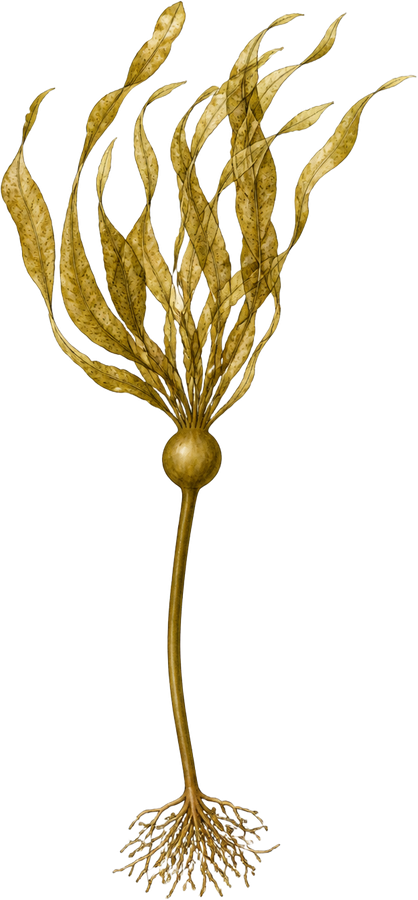
Lesson 6 · 1 h
We say plainly how well each part of the country is covered, rather than implying the whole country is written to the same depth.
NOAA Fisheries keeps the public overview of marine aquaculture in the United States, including what is farmed and how it is regulated. It is the least sales-driven starting point available.
NOAA Fisheries, Aquaculture · checked 2026-09-19NOAA's West Coast region publishes what is farmed here and which agencies are involved, which is the fastest way to see whether your idea matches this coast.
NOAA Fisheries, Aquaculture on the West Coast · checked 2026-09-19Sea Grant programs run extension, training, and introductions in most coastal states. Oregon, Washington, Alaska, and Connecticut are linked here as examples; every coastal state has one.
Washington Sea Grant · checked 2026-09-19It is an orientation. It does not carry college credit, accreditation, or continuing education units, and it does not place anyone in work. What it gives you is a completion record and a clearer question to take to a real program.
Oregon Sea Grant · checked 2026-09-19Everyone gets the same lessons, practice work, and knowledge checks. For $60 more you also get one real assignment that Jules reads and grades. You can see exactly how it is judged before you start, you pass at 80 percent, and you can rewrite and send it back as many times as you need. This is optional, and it is still not accredited and carries no continuing education credit.
The assignment
A plan for the role you want, built from what that role really asks.
Name the role you are aiming at and write a plan you could start this month. Cover: what the role does on an ordinary day; what it requires that you already have; what it requires that you do not have yet and how you will get it; who near you actually hires or works in that role; and the first three steps with dates. Where a requirement is set by a state or a certifying body, cite the body rather than guessing.
How it is graded
The role described as it really is · 25 points
Your description of the daily work matches what people in the role say about it, not what job postings advertise.
Honest inventory of what you have · 25 points
You separate what you can already do from what you would be learning on the job, without overselling either.
A gap plan with real routes · 25 points
Each missing piece has a specific way to get it: a class, a license, supervised hours, a person to ask.
First steps that could start Monday · 25 points
Three steps, each small enough to actually do, each with a date and a way to tell it is done.
100 points in total. You pass at 80. Jules grades what you worked out, not your formatting or your word count.
Your next move is a person, not a page. Contact your state's Sea Grant or extension program, ask to visit a farm, and take a day of crew work if it is offered. This course is an orientation and carries no credential, college credit, or continuing education units.
This course does not carry accreditation, credit, or continuing education units, and completing it does not count toward any outside credential. It is written to the structure a continuing education standard expects, with measured hours, written outcomes, and a completion record you can keep.