6 full lessons
Written in plain language, illustrated, and kept as a reference afterward.
Full introductory course · fresh water and salt water
A friendly introduction to farmed fish in salt water and fresh water: the species, the systems, welfare and health basics, and the industry as it actually is.
Six lessons built on one idea: on a fish farm you are managing water, and the fish tell you how you are doing. Species, systems, welfare, health, and the permitting that decides what is even possible in your state.
$25 once, or $15 on Driftline. Add $60 and Jules reads and grades one real piece of work, passing at 80 percent. Review is optional. Nothing here is accredited or carries credit.
Pay once, and it is yours to come back to. Pick how you want to take it.
On your own
The whole class, the practice work, and the knowledge checks. No pass score, no graded work, no certificate gate.
With Jules reading your work
Everything above, plus one real piece of work, "One species, one system, one welfare plan", that Jules reads and grades against a rubric you can see before you start. You pass at 80 percent, and you can rewrite and send it back as many times as you need. This is optional, and it is not accredited and carries no continuing education credit.
Already taking this class? You can add review later and pay only the $60 difference.
Driftline is the pay-what-works price for students, deckhands, and anyone for whom the full price is the thing standing in the way. Same class, no questions asked.
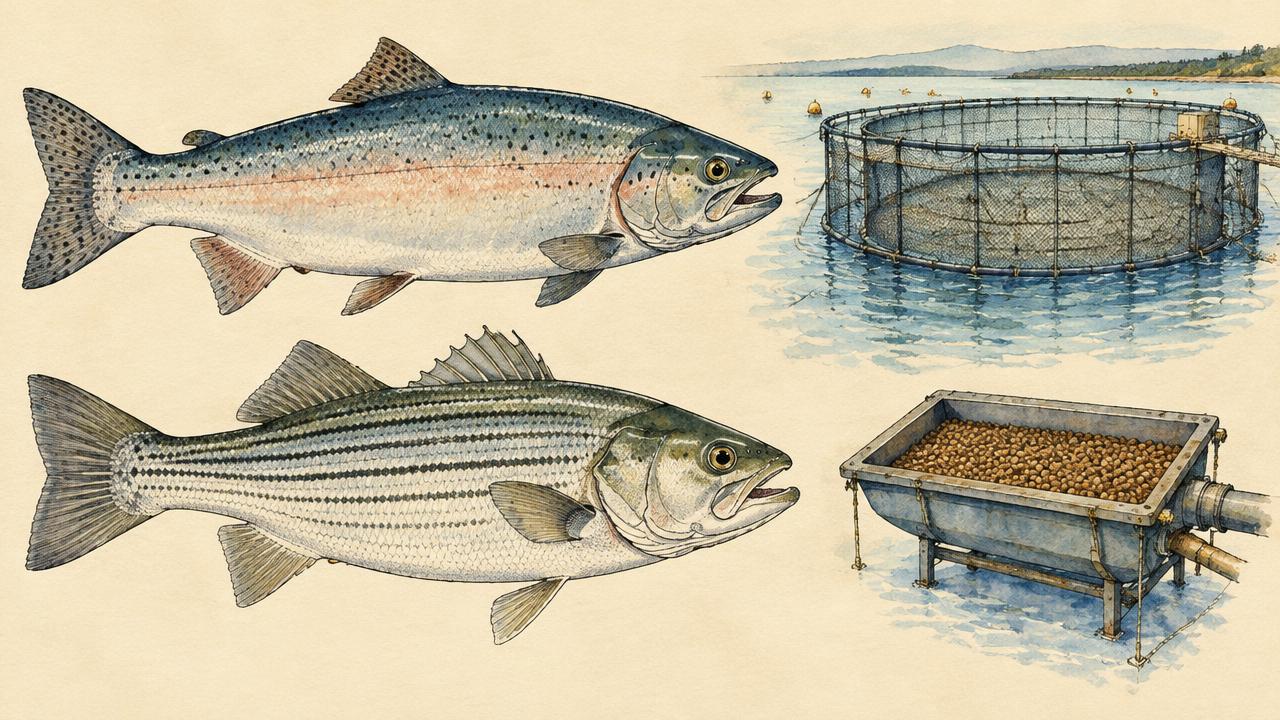
Written in plain language, illustrated, and kept as a reference afterward.
Measured per lesson, with written outcomes, so your time is recorded honestly.
Clear answers and explanations, unlimited tries, and nothing sent to a gradebook.
Rules are shown by state with the source and the date we checked it.
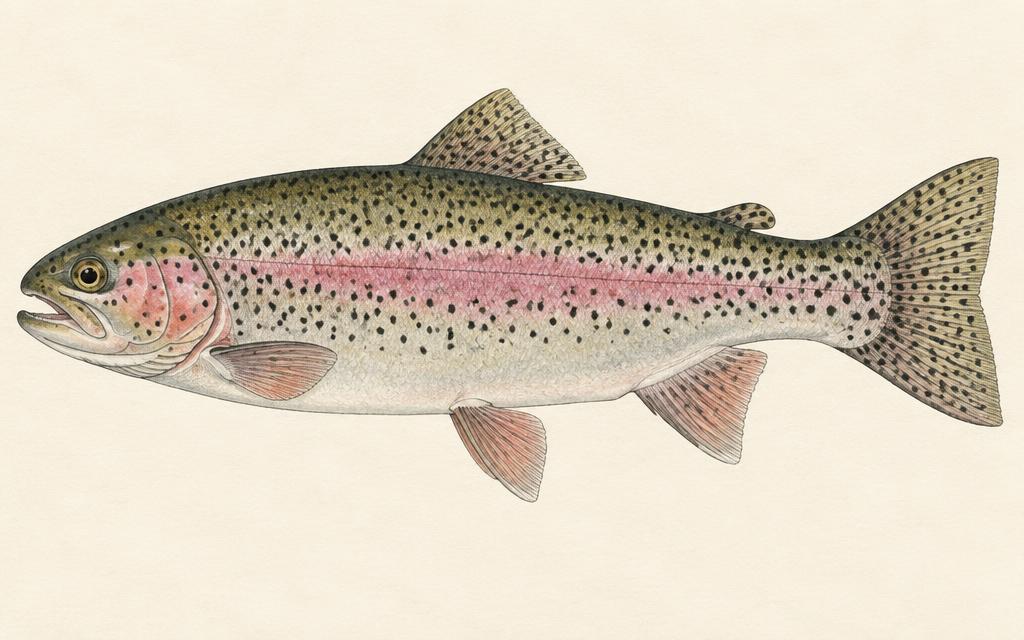
Lesson 1 · 1 h
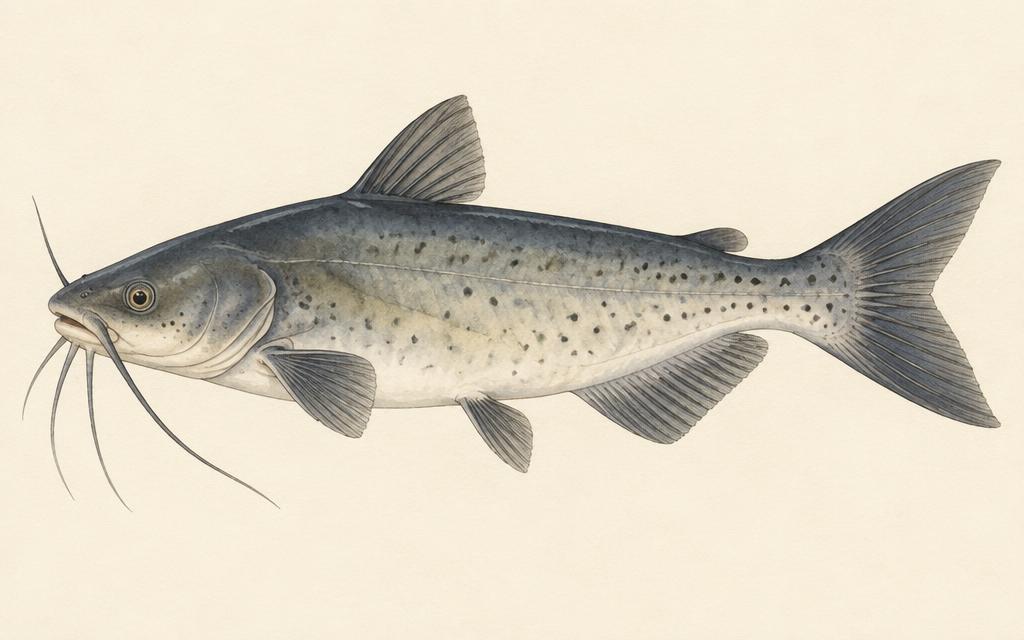
Lesson 2 · 2 h
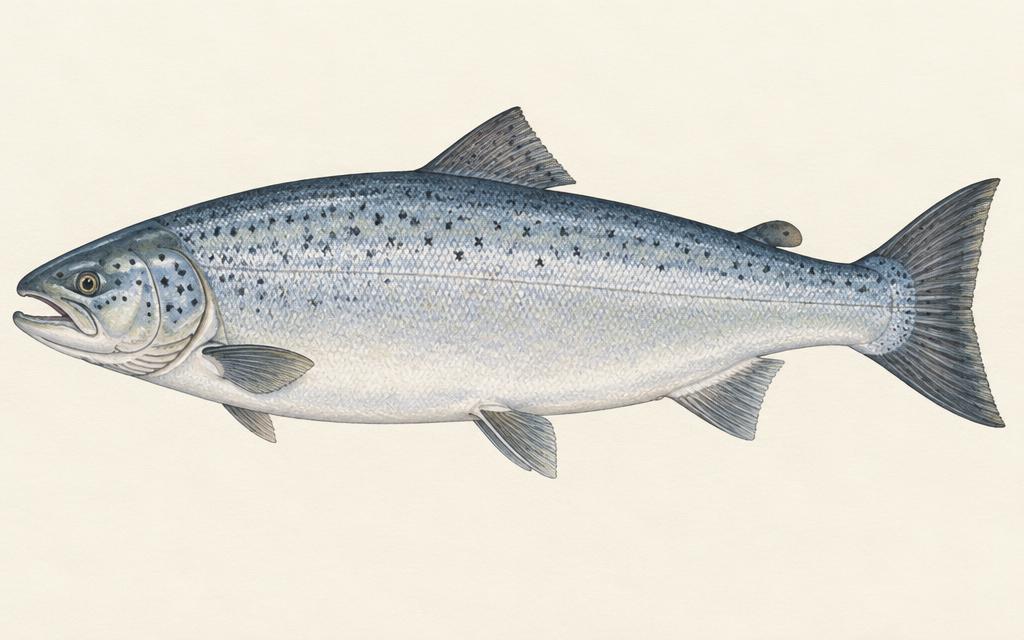
Lesson 3 · 1.5 h
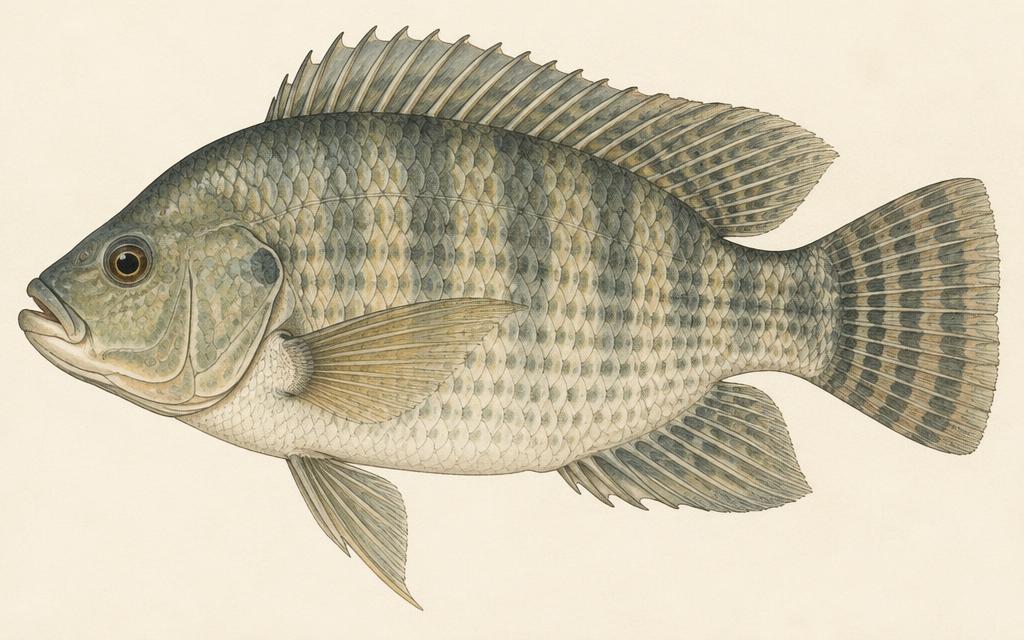
Lesson 4 · 2 h
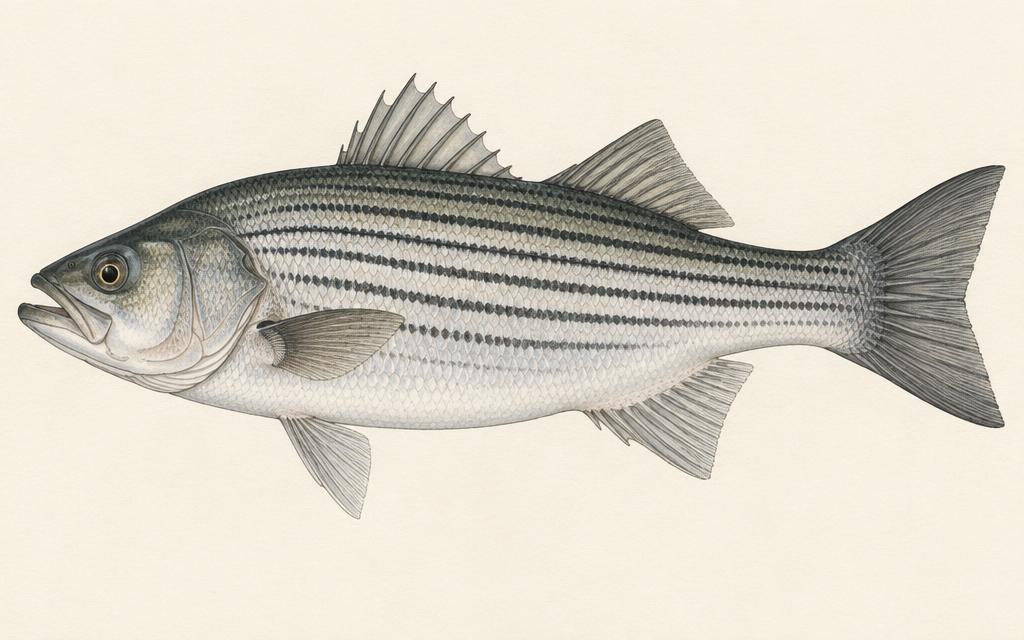
Lesson 5 · 1.5 h
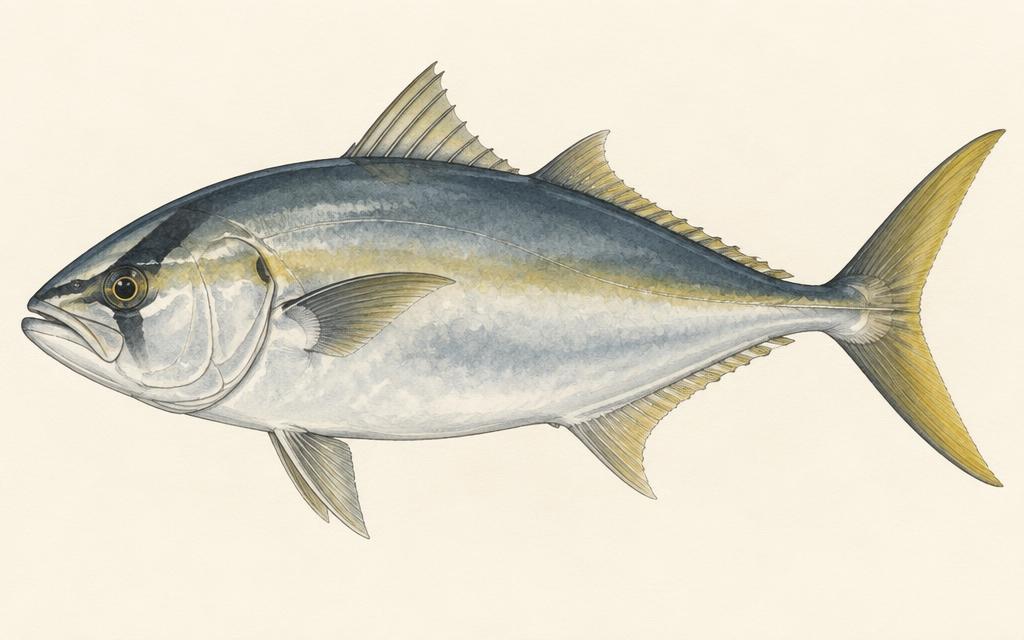
Lesson 6 · 1 h
We say plainly how well each part of the country is covered, rather than implying the whole country is written to the same depth.
Washington's Department of Natural Resources adopted permanent rules prohibiting commercial finfish net pen aquaculture on state-owned aquatic lands, effective March 1, 2025. That is a state land decision, not a national one.
Washington State Register, WSR 25-04-045 · checked 2026-09-18Maine's Department of Marine Resources runs standard leases, experimental leases, and small limited-purpose aquaculture licenses, each with its own size limit and process.
Maine Department of Marine Resources, aquaculture leasing · checked 2026-09-18USDA reported U.S. catfish sales of 358 million dollars during 2024, down 21 percent from 454 million dollars the year before. Foodsize sales made up 331 million dollars of that total.
USDA NASS, Catfish Production, February 2025 · checked 2026-09-18USDA reported that the total value of fish sales received by U.S. trout growers was 108 million dollars for 2024.
USDA NASS, Trout Production, February 2025 · checked 2026-09-18Everyone gets the same lessons, practice work, and knowledge checks. For $60 more you also get one real assignment that Jules reads and grades. You can see exactly how it is judged before you start, you pass at 80 percent, and you can rewrite and send it back as many times as you need. This is optional, and it is still not accredited and carries no continuing education credit.
The assignment
Match a finfish species to a rearing system and account for its welfare.
Choose a finfish species farmed in the United States. Describe the system it is commonly raised in and why that system suits it. Then write the welfare picture: stocking, water quality targets, handling points that cause stress, common health problems, and who is legally able to diagnose and treat them. Be clear that diagnosis and treatment belong to a licensed aquatic veterinarian or an approved lab. Cite your sources with dates.
How it is graded
Species and system genuinely matched · 25 points
The system you name is one this species is actually raised in, and you say why using its biology.
Water quality stated as numbers with sources · 25 points
Targets are specific and cited, not described as good or suitable.
Welfare handled at the stress points · 25 points
You identify the moments that hurt fish most and what reduces the harm.
Health authority kept straight · 25 points
Diagnosis, prescription, and certification are attributed to the licensed people who hold them.
100 points in total. You pass at 80. Jules grades what you worked out, not your formatting or your word count.
The final lesson points to current USDA production reports, your state's aquaculture permitting page, hatcheries and research stations that take volunteers or seasonal help, the recirculating systems and water and biosecurity courses here, and college programs when credit and supervised hours are what you need.
This course does not carry accreditation, credit, or continuing education units, and completing it does not count toward any outside credential. It is written to the structure a continuing education standard expects, with measured hours, written outcomes, and a completion record you can keep.