6 full lessons
Written in plain language, illustrated, and kept as a reference afterward.
In the kitchen · handle it safely, then cook it well
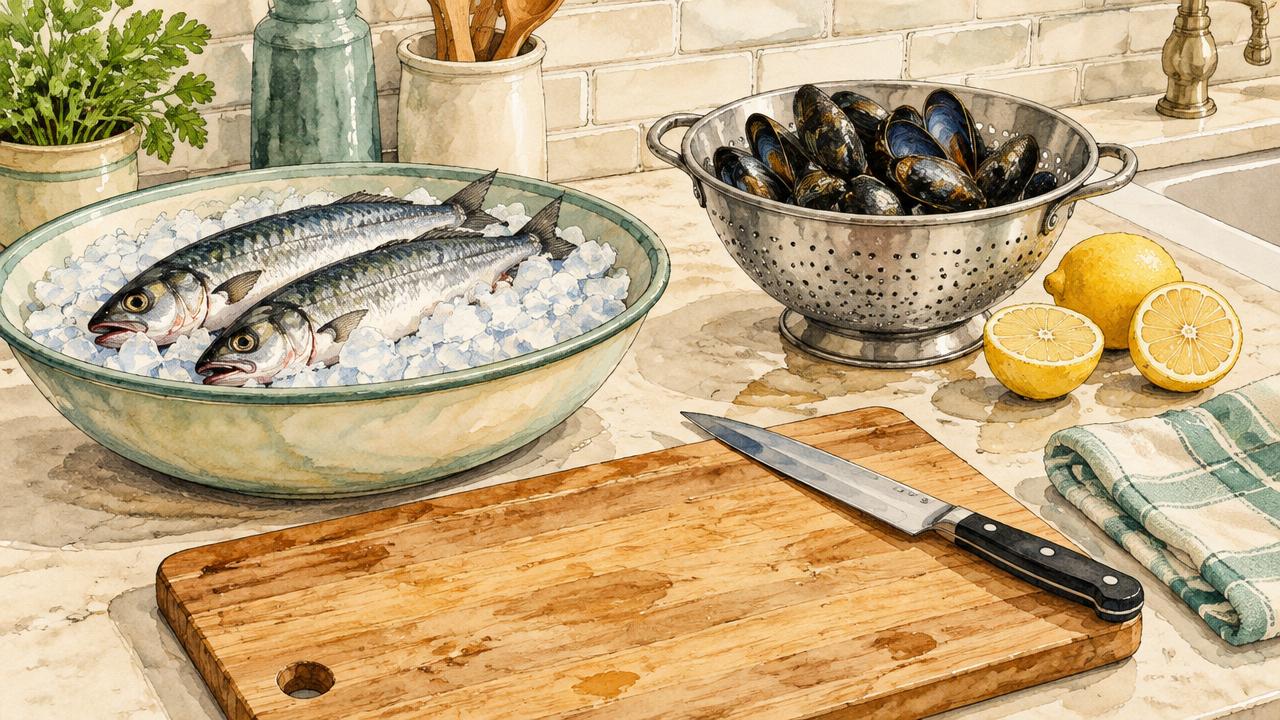
Buying, receiving, cooling, storing, thawing, cleaning, and cooking, done safely, with the reasons explained rather than the rules recited.
Six lessons on handling seafood and seaweed for other people to eat: what you are actually holding, buying and receiving with tags kept properly, cold storage and thawing without the hazards, cross-contamination and the two seafood allergens, cooking and serving verified with a thermometer, and treating fresh and dried seaweed as the different ingredients they are.
$75 once, or $75 on Driftline. Add $60 and Jules reads and grades one real piece of work, passing at 80 percent. Review is optional. Nothing here is accredited or carries credit.
Pay once, and it is yours to come back to. Pick how you want to take it.
On your own
The whole class, the practice work, and the knowledge checks. No pass score, no graded work, no certificate gate.
With Jules reading your work
Everything above, plus one real piece of work, "A safe handling plan for one service", that Jules reads and grades against a rubric you can see before you start. You pass at 80 percent, and you can rewrite and send it back as many times as you need. This is optional, and it is not accredited and carries no continuing education credit.
Already taking this class? You can add review later and pay only the $60 difference.
Written in plain language, illustrated, and kept as a reference afterward.
Measured per lesson, with written outcomes, so your time is recorded honestly.
Clear answers and explanations, unlimited tries, and nothing sent to a gradebook.
Rules are shown by state with the source and the date we checked it.
Lesson 1 · 1.5 h
Lesson 2 · 2 h
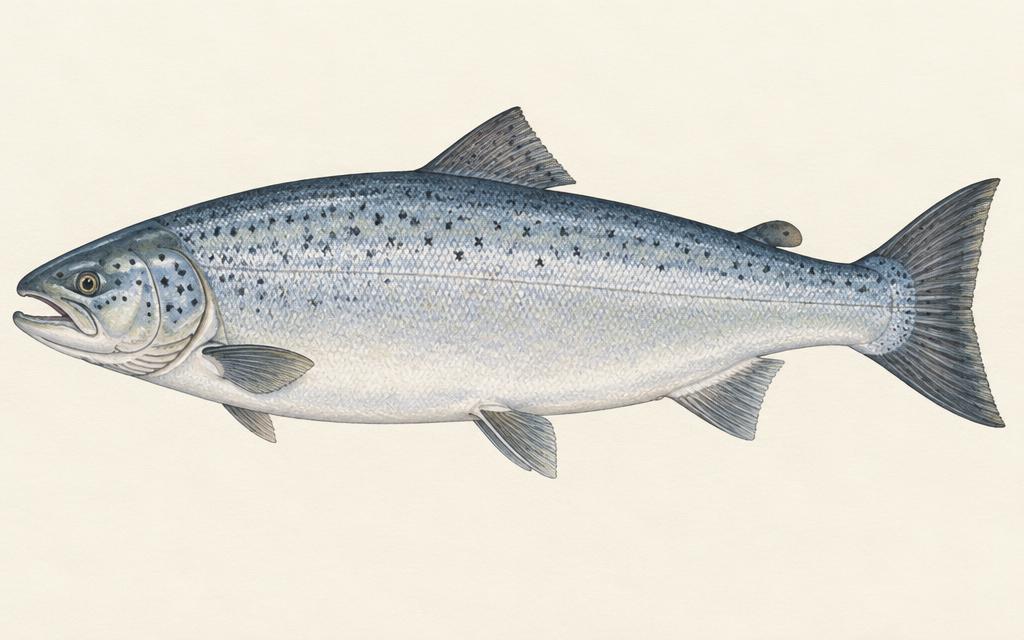
Lesson 3 · 2 h
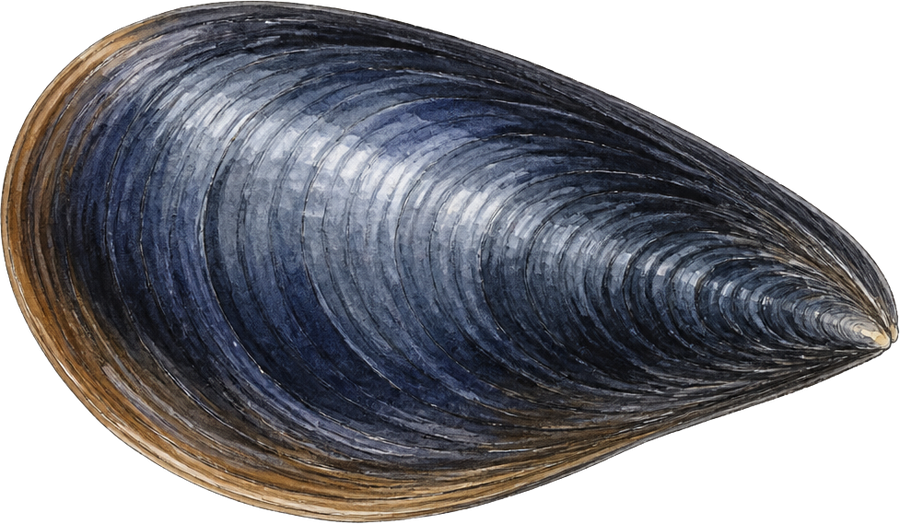
Lesson 4 · 2 h
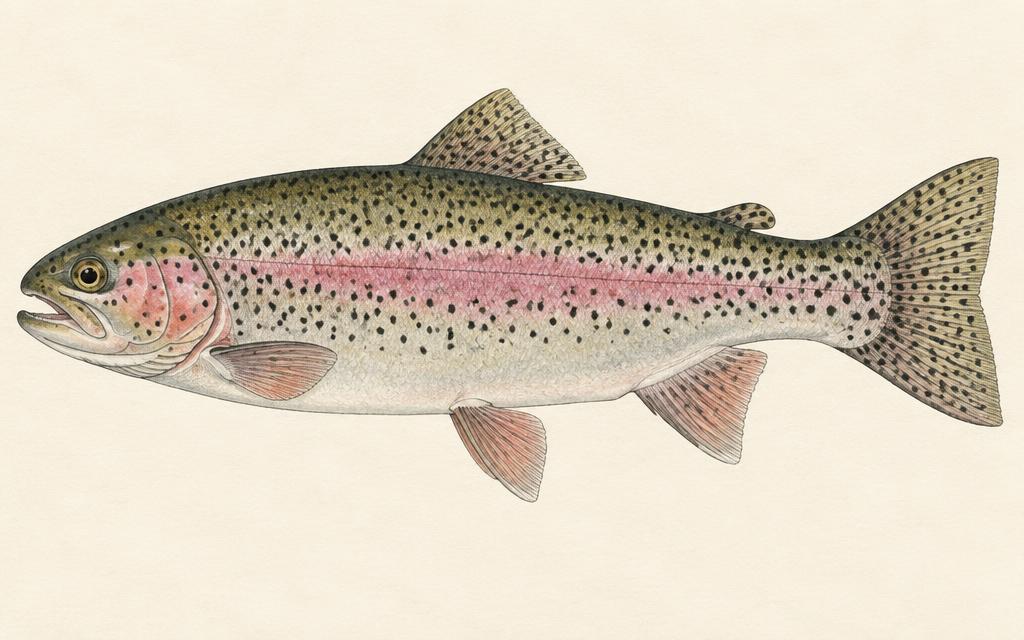
Lesson 5 · 2 h
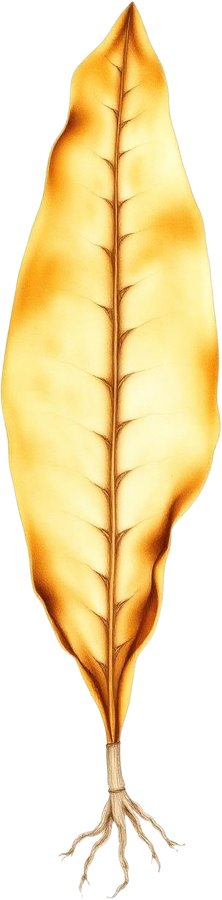
Lesson 6 · 2 h
We say plainly how well each part of the country is covered, rather than implying the whole country is written to the same depth.
The federal Food Code is the model most states adopt for retail and food service, and it carries the cooking temperatures, cooling times, and holding rules. Your state's adopted version is the one that binds you, so check both.
FDA Food Code · checked 2026-09-19The National Shellfish Sanitation Program sets how molluscan shellfish are harvested, tagged, and shipped, and only shippers on the published interstate list may ship across state lines. Tags must be kept ninety days.
FDA National Shellfish Sanitation Program · checked 2026-09-19Finned fish and crustacean shellfish are separately listed major food allergens under federal law, which affects labeling and how you answer a customer's question.
FDA, Food Allergies · checked 2026-09-19The federal seafood hazards and controls guidance describes the hazards specific to fish and fishery products, including the reduced-oxygen packaging hazard behind the rule about opening vacuum packs before thawing.
FDA Fish and Fishery Products Hazards and Controls Guidance · checked 2026-09-19Some of this subject has no rule behind it yet. Rather than sounding more certain than the record allows, we say what is missing, point to the newest and best material that does exist, and give you the date we last checked it.
voluntary guidance only
The FDA Food Code gives cooking temperatures and holding times for fish and shellfish. It does not give an equivalent for edible seaweed, and there is no published federal doneness or rinse standard for it. What exists is voluntary guidance on handling, drying, and storage from the 2025 Sea Grant document, plus general Food Code rules on cross-contamination and cold holding that apply to any ready-to-eat food. This course teaches the general rules and is clear that the seaweed-specific numbers do not yet exist.
Best available right now
Everyone gets the same lessons, practice work, and knowledge checks. For $60 more you also get one real assignment that Jules reads and grades. You can see exactly how it is judged before you start, you pass at 80 percent, and you can rewrite and send it back as many times as you need. This is optional, and it is still not accredited and carries no continuing education credit.
The assignment
Take seafood or seaweed from delivery to the plate without a lapse.
Plan one service using a seafood or seaweed product. Follow it from the delivery door to the plate: receiving checks, storage temperatures and times, thawing, preparation, cross-contamination control, cooking or holding temperatures, and what is documented. Name the rule or published guidance behind each temperature and time. Say what you would reject at the door and why.
How it is graded
Receiving checks that would catch a bad delivery · 25 points
Temperature, tags, condition, and paperwork are all checked, with the rejection criteria stated.
Temperatures and times cited · 25 points
Every number comes from published guidance you name, not from memory or habit.
Cross-contamination controlled at the real risk points · 25 points
You identify where raw and ready-to-eat actually meet in your flow and how you separate them.
Documented so it could be checked · 25 points
What gets written down would let someone else verify the service was safe.
100 points in total. You pass at 80. Jules grades what you worked out, not your formatting or your word count.
Where your work requires a food handler card or a formal food-safety certification, your state or county sets that, and this course does not replace it. From here, the three cooking classes build on this one: seaweed, shellfish, and finfish.
This course does not carry accreditation, credit, or continuing education units, and completing it does not count toward any outside credential. It is written to the structure a continuing education standard expects, with measured hours, written outcomes, and a completion record you can keep.