6 full lessons
Written in plain language, illustrated, and kept as a reference afterward.
Full introductory course · California, Oregon, and Washington
A friendly introduction to seaweed biology, West Coast species, responsible harvest, farming, and the people building the industry.
This is the full beginner course, not only a species guide. The illustrated West Coast field guide is one lesson inside a six-part path that runs from basic biology through life cycles, responsible harvest, and farming, to where you fit.
$25 once, or $15 on Driftline. Add $60 and Jules reads and grades one real piece of work, passing at 80 percent. Review is optional. Nothing here is accredited or carries credit.
Pay once, and it is yours to come back to. Pick how you want to take it.
On your own
The whole class, the practice work, and the knowledge checks. No pass score, no graded work, no certificate gate.
With Jules reading your work
Everything above, plus one real piece of work, "A seaweed you can find", that Jules reads and grades against a rubric you can see before you start. You pass at 80 percent, and you can rewrite and send it back as many times as you need. This is optional, and it is not accredited and carries no continuing education credit.
Already taking this class? You can add review later and pay only the $60 difference.
Driftline is the pay-what-works price for students, deckhands, and anyone for whom the full price is the thing standing in the way. Same class, no questions asked.

Written in plain language, illustrated, and kept as a reference afterward.
Measured per lesson, with written outcomes, so your time is recorded honestly.
Clear answers and explanations, unlimited tries, and nothing sent to a gradebook.
Rules are shown by state with the source and the date we checked it.
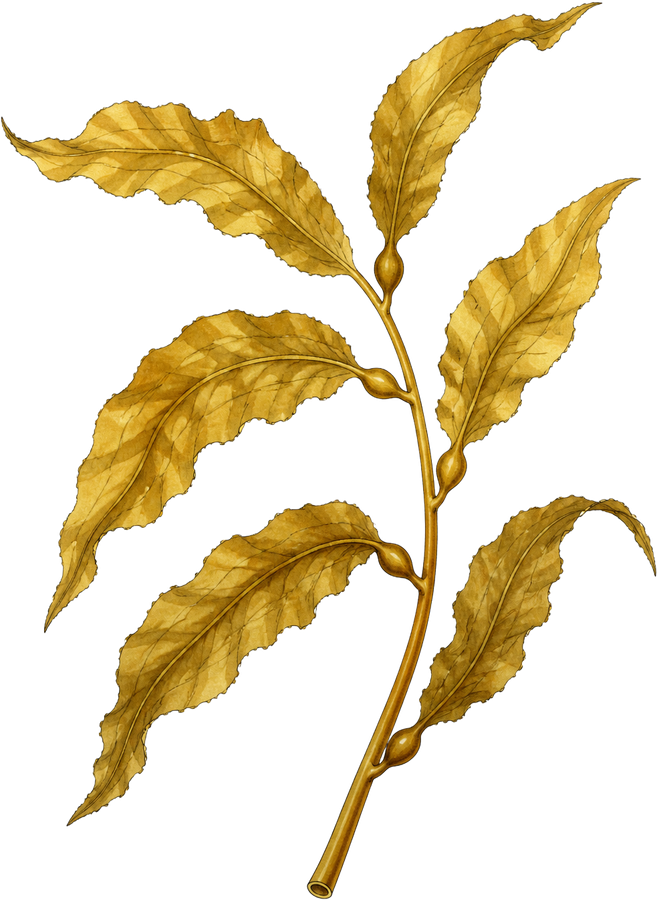
Lesson 1 · 1 h
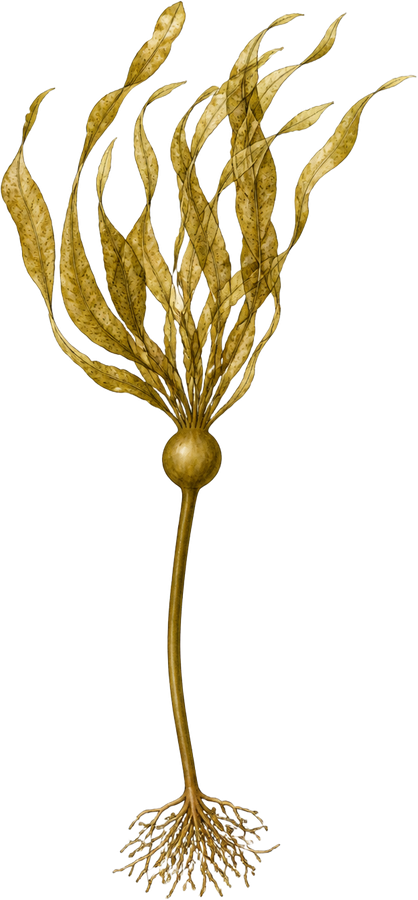
Lesson 2 · 2 h
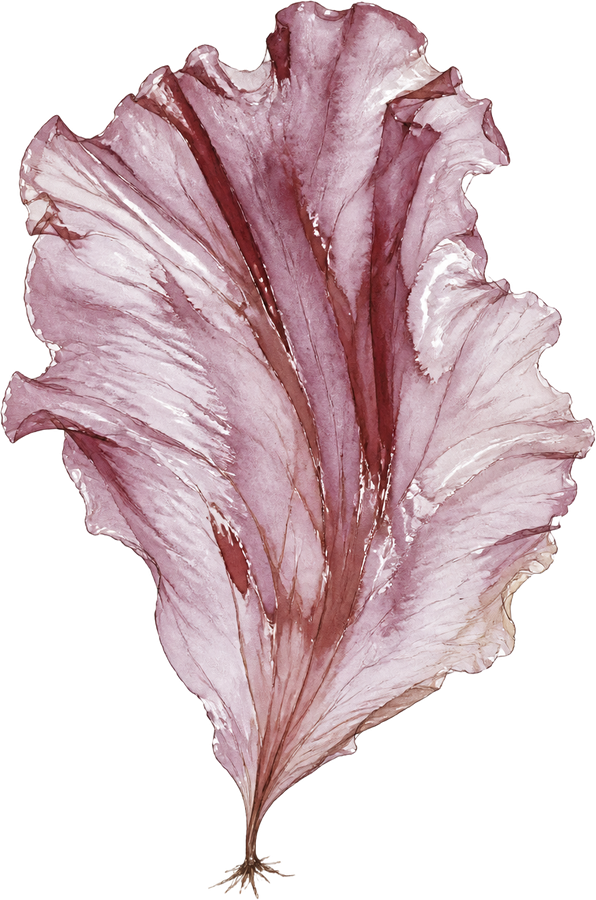
Lesson 3 · 1.5 h
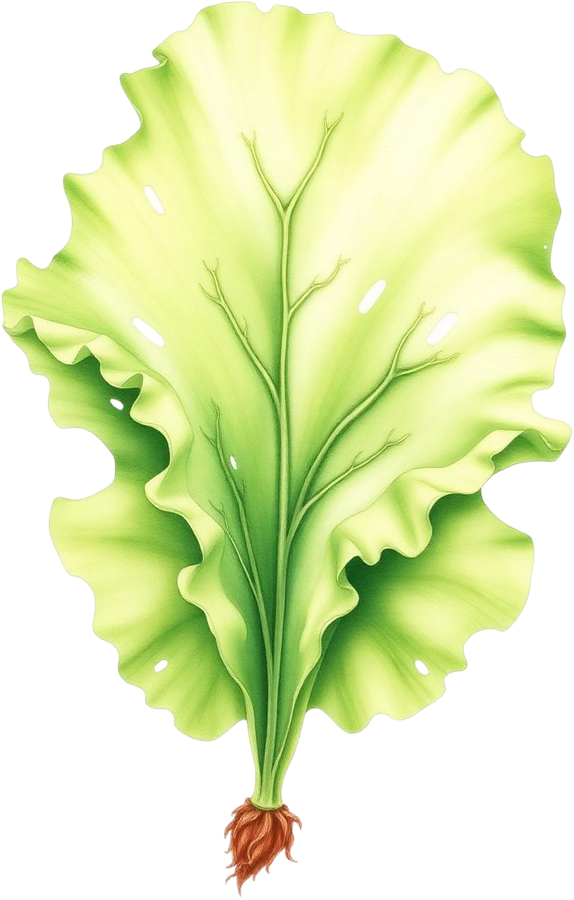
Lesson 4 · 1.5 h
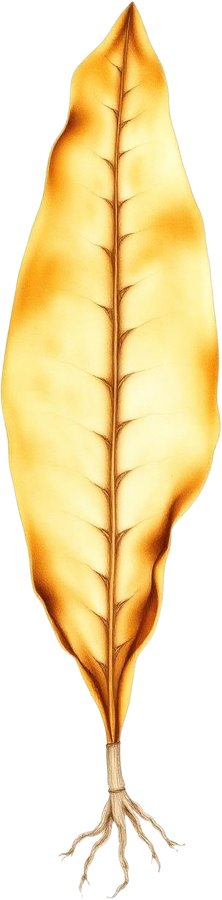
Lesson 5 · 1.5 h
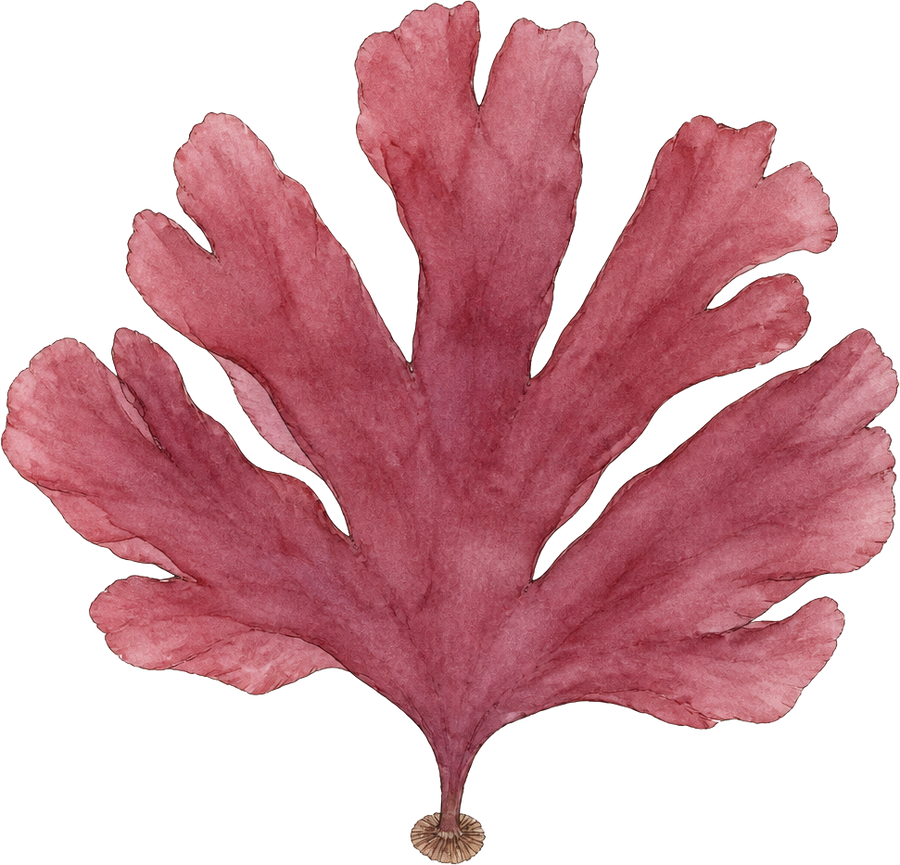
Lesson 6 · 1 h
We say plainly how well each part of the country is covered, rather than implying the whole country is written to the same depth.
California's kelp management and restoration material sits with the state wildlife department, and commercial seaweed harvest there is handled separately from personal take. Check the current page before you plan a harvest.
California Department of Fish and Wildlife, Kelp · checked 2026-09-19Oregon's shore harvest information is published by the state fish and wildlife department. Limits and seasons differ from the states on either side and change between years.
Oregon Department of Fish and Wildlife, Shellfish · checked 2026-09-19Washington keeps current shore harvest regulations with the state fish and wildlife department, and beach-level safety closures come from the state health authority. Both are checked before a harvest, never after.
Washington Department of Fish and Wildlife, Shellfishing Regulations · checked 2026-09-19Harvest for sale brings food-safety rules that personal harvest does not, and they vary by state and by product. Sea Grant programs are a good first stop for what applies where you are.
Washington Sea Grant · checked 2026-09-19Some of this subject has no rule behind it yet. Rather than sounding more certain than the record allows, we say what is missing, point to the newest and best material that does exist, and give you the date we last checked it.
research still emerging
Commercial seaweed farming in this country is young, so a lot of what you will read is a single study, a pilot project, or an extension bulletin rather than a settled body of evidence. Yields, iodine and heavy-metal levels, and market prices all move, and numbers from one coast rarely transfer to another. This course cites what is published and dated, and flags where the honest answer is that nobody has measured it yet at scale.
Best available right now
Everyone gets the same lessons, practice work, and knowledge checks. For $60 more you also get one real assignment that Jules reads and grades. You can see exactly how it is judged before you start, you pass at 80 percent, and you can rewrite and send it back as many times as you need. This is optional, and it is still not accredited and carries no continuing education credit.
The assignment
Profile one species from your own coast, from biology through to who cares about it.
Choose one seaweed species found on a coast you can reach. Write a profile covering: how to recognize it and what it is confused with; its life cycle in plain words; where it sits in the local ecosystem; whether harvest of it is regulated where you are and by whom; and one current use, food, feed, or material. If your state does not publish harvest rules for this species, write that plainly and name the agency you checked.
How it is graded
Identification a beginner could use · 25 points
Your description separates this species from its common look-alikes using features someone can see on the beach.
Life cycle explained, not recited · 25 points
The stages are in your own plain words and connect to when and where the species is found.
Local rules checked at the source · 25 points
You cite the state agency page you read, with the date, and say clearly when nothing is published.
Use described without hype · 25 points
The use you name is real and sourced, with its limits stated rather than a market claim.
100 points in total. You pass at 80. Jules grades what you worked out, not your formatting or your word count.
The last lesson points to hands-on college programs, regional Sea Grant and extension resources, community science, thoughtful buying, and the deeper seaweed courses here when you want to work in it rather than read about it.
This course does not carry accreditation, credit, or continuing education units, and completing it does not count toward any outside credential. It is written to the structure a continuing education standard expects, with measured hours, written outcomes, and a completion record you can keep.