6 full lessons
Written in plain language, illustrated, and kept as a reference afterward.
Species · knowing what you are looking at
Knowing what you are looking at on a West Coast shore, why it grows where it does, and how to tell close look-alikes apart with confidence.
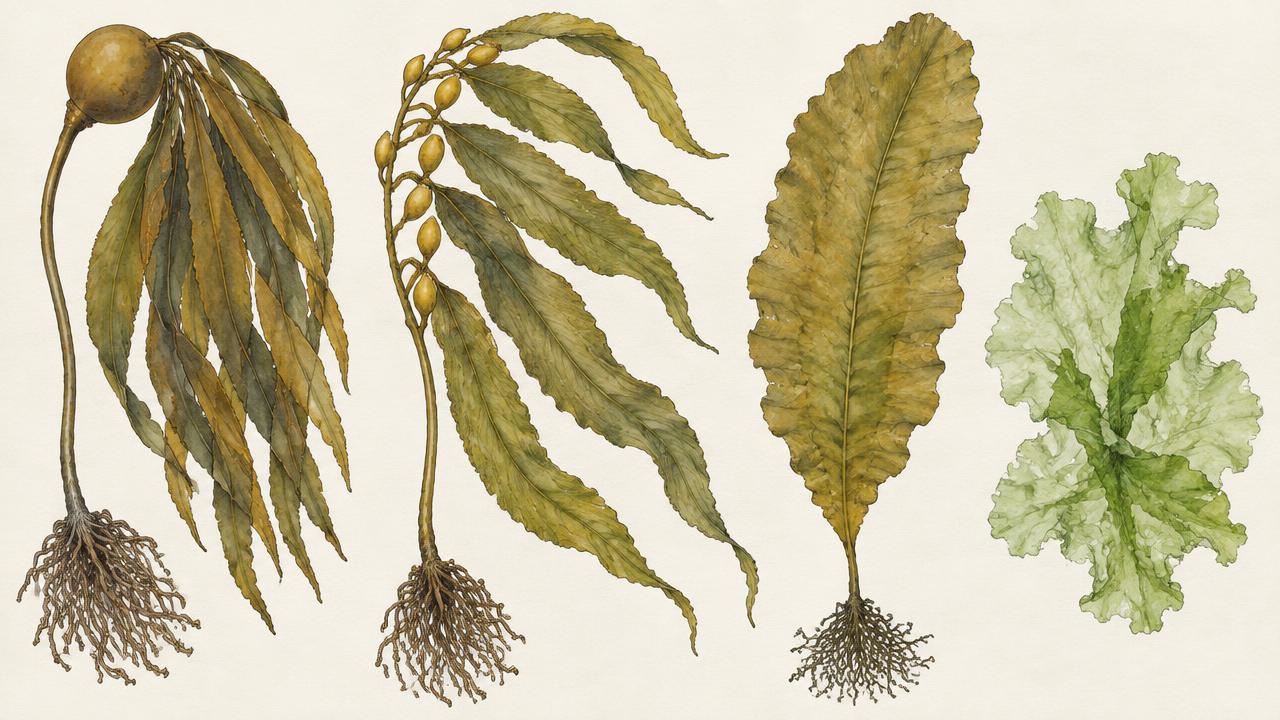
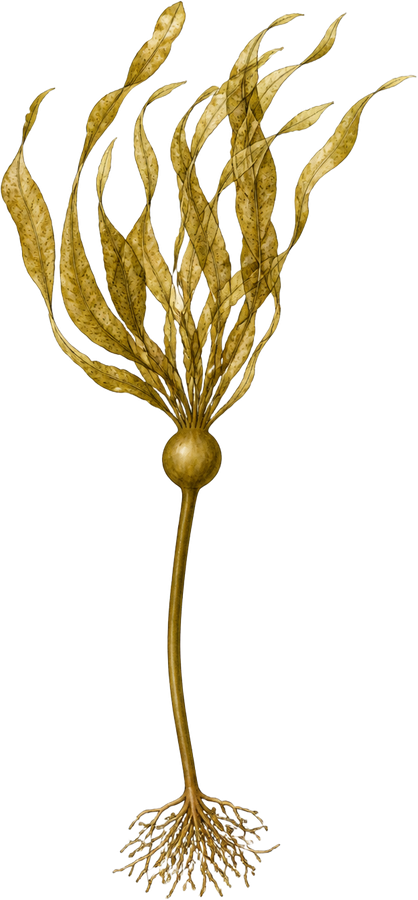
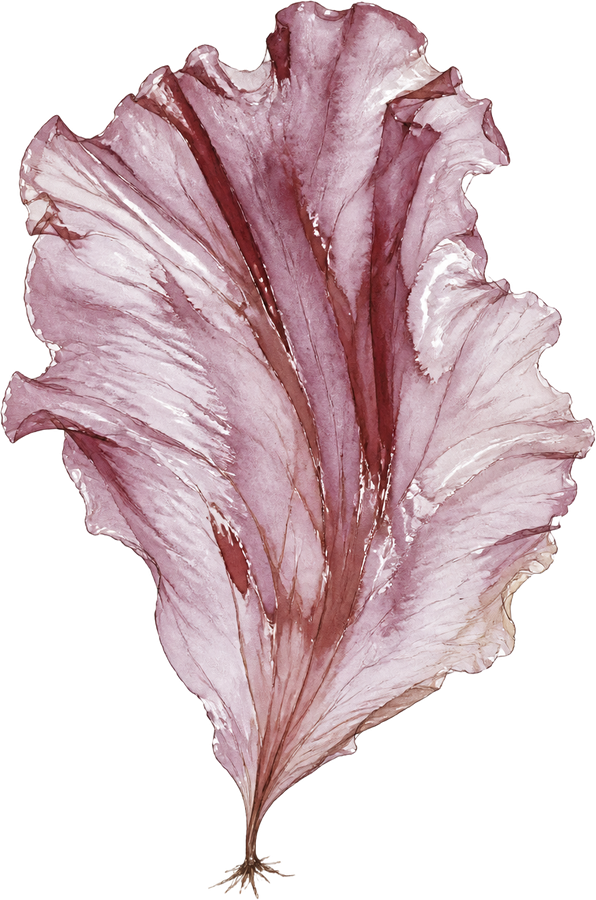
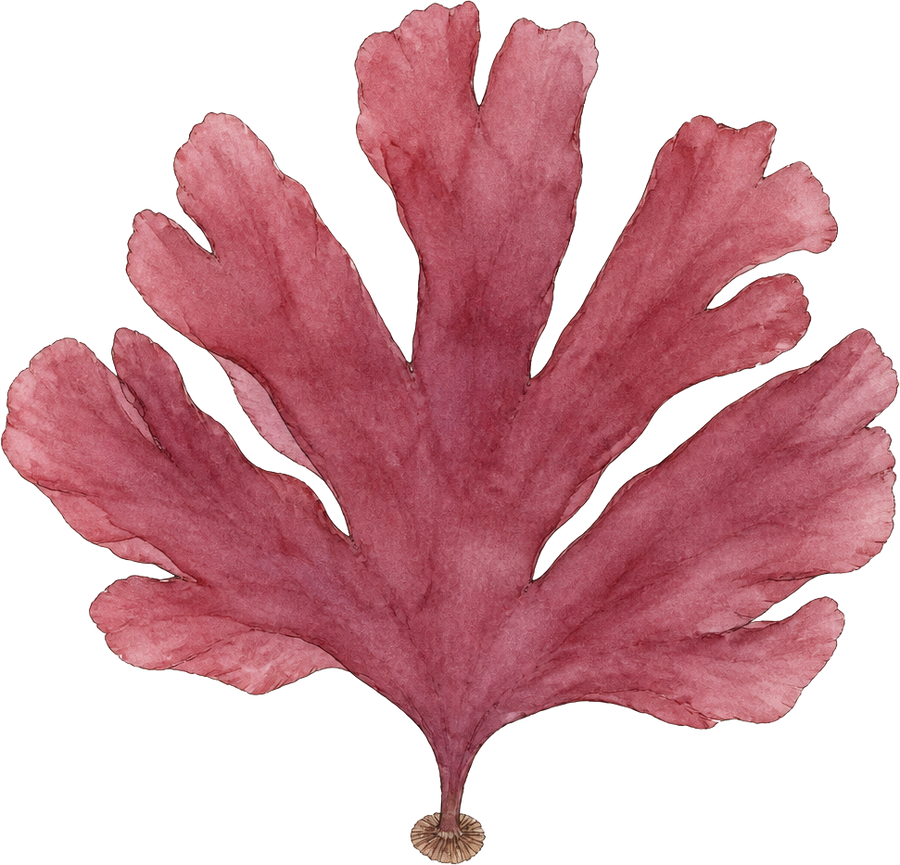
Six lessons on reading a West Coast shore: how seaweeds are grouped and what their parts do, the zones that put different species a few steps apart, the kelps and how to tell them apart, the reds and greens people confuse, seasons and upwelling and warm-water years, and the field practice that makes your records worth something.
$95 once, or $95 on Driftline. Add $60 and Jules reads and grades one real piece of work, passing at 80 percent. Review is optional. Nothing here is accredited or carries credit.
Pay once, and it is yours to come back to. Pick how you want to take it.
On your own
The whole class, the practice work, and the knowledge checks. No pass score, no graded work, no certificate gate.
With Jules reading your work
Everything above, plus one real piece of work, "A field guide page for your shore", that Jules reads and grades against a rubric you can see before you start. You pass at 80 percent, and you can rewrite and send it back as many times as you need. This is optional, and it is not accredited and carries no continuing education credit.
Already taking this class? You can add review later and pay only the $60 difference.
Written in plain language, illustrated, and kept as a reference afterward.
Measured per lesson, with written outcomes, so your time is recorded honestly.
Clear answers and explanations, unlimited tries, and nothing sent to a gradebook.
Rules are shown by state with the source and the date we checked it.
Lesson 1 · 1.5 h
Lesson 2 · 1.5 h
Lesson 3 · 2 h
Lesson 4 · 2 h

Lesson 5 · 1.5 h
Lesson 6 · 1.5 h
We say plainly how well each part of the country is covered, rather than implying the whole country is written to the same depth.
The California Department of Fish and Wildlife keeps the public page on kelp, including management and restoration work. Harvest rules for seaweed are set in state regulation and change, so check the current rules before collecting.
California Department of Fish and Wildlife, Kelp · checked 2026-09-19Washington's shellfishing and shoreline harvest rules come from WDFW, and Oregon's marine shoreline harvest information comes from ODFW. Limits, licenses, and closed areas differ between the two states and between beaches.
Washington Department of Fish and Wildlife, Shellfishing Regulations · checked 2026-09-19NOAA publishes tide predictions for stations along every coast. Plan around the predicted low and leave before the flood, not at it.
NOAA Tides and Currents · checked 2026-09-19Knowing a species is not the same as knowing a shore is safe to harvest from. Biotoxin and pollution closures come from your state health authority and are separate from identification skill.
Oregon Department of Fish and Wildlife, Shellfish · checked 2026-09-19Everyone gets the same lessons, practice work, and knowledge checks. For $60 more you also get one real assignment that Jules reads and grades. You can see exactly how it is judged before you start, you pass at 80 percent, and you can rewrite and send it back as many times as you need. This is optional, and it is still not accredited and carries no continuing education credit.
The assignment
Six species, one shore, written so a stranger could use it.
Produce a field guide page for one stretch of West Coast shoreline covering six seaweed species you would expect there. For each: identification features, the look-alike it is confused with, where on the shore and in what season, and its role in that habitat. Then add a short section on what a visitor should not do there, tied to the state rule or land manager that says so, with the date you checked.
How it is graded
Six species that belong together · 25 points
The species genuinely occur on the shore you chose and at the zones you describe.
Identification that works in the field · 25 points
Features are visible without a lab, and each species is separated from its look-alike.
Zones and seasons correct · 25 points
Tidal zone and seasonality match published accounts for your area.
Rules tied to the right manager · 25 points
Restrictions point to the state agency or land manager that actually sets them, with a checked date.
100 points in total. You pass at 80. Jules grades what you worked out, not your formatting or your word count.
Identification is not permission. Before collecting anything, check your state's current harvest rules and any safety closures, and take Responsible Wild Harvest if you intend to take more than a look.
This course does not carry accreditation, credit, or continuing education units, and completing it does not count toward any outside credential. It is written to the structure a continuing education standard expects, with measured hours, written outcomes, and a completion record you can keep.