6 full lessons
Written in plain language, illustrated, and kept as a reference afterward.
Full introductory course · every U.S. coast, state by state
A friendly introduction to bivalves and crustaceans, how growing waters are classified, how closures work, and how to farm or forage without leaving a mess behind.
Six lessons take you from telling a bivalve from a crustacean to checking your own state's closure source before you ever pick anything up. The safety rules are the heart of it, and we show you where each state actually publishes them.
$25 once, or $15 on Driftline. Add $60 and Jules reads and grades one real piece of work, passing at 80 percent. Review is optional. Nothing here is accredited or carries credit.
Pay once, and it is yours to come back to. Pick how you want to take it.
On your own
The whole class, the practice work, and the knowledge checks. No pass score, no graded work, no certificate gate.
With Jules reading your work
Everything above, plus one real piece of work, "One growing area, start to finish", that Jules reads and grades against a rubric you can see before you start. You pass at 80 percent, and you can rewrite and send it back as many times as you need. This is optional, and it is not accredited and carries no continuing education credit.
Already taking this class? You can add review later and pay only the $60 difference.
Driftline is the pay-what-works price for students, deckhands, and anyone for whom the full price is the thing standing in the way. Same class, no questions asked.
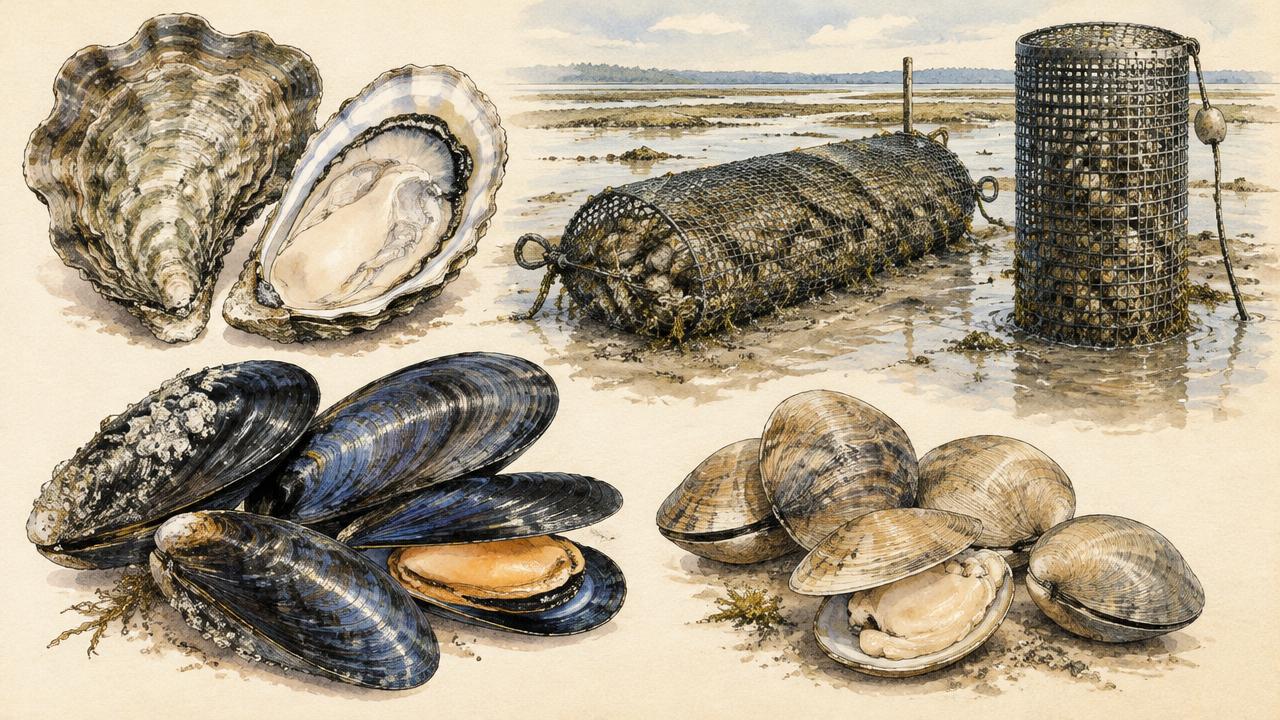
Written in plain language, illustrated, and kept as a reference afterward.
Measured per lesson, with written outcomes, so your time is recorded honestly.
Clear answers and explanations, unlimited tries, and nothing sent to a gradebook.
Rules are shown by state with the source and the date we checked it.
Lesson 1 · 1 h
Lesson 2 · 2 h

Lesson 3 · 1.5 h
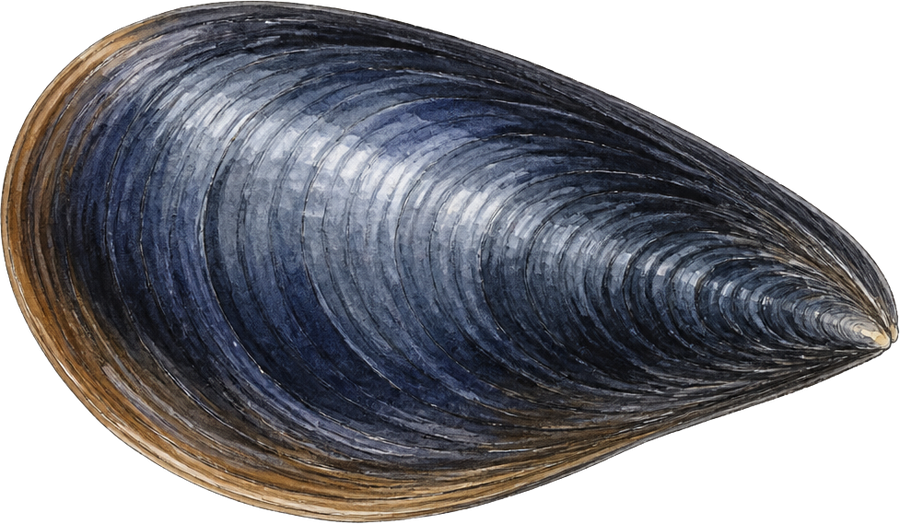
Lesson 4 · 2 h
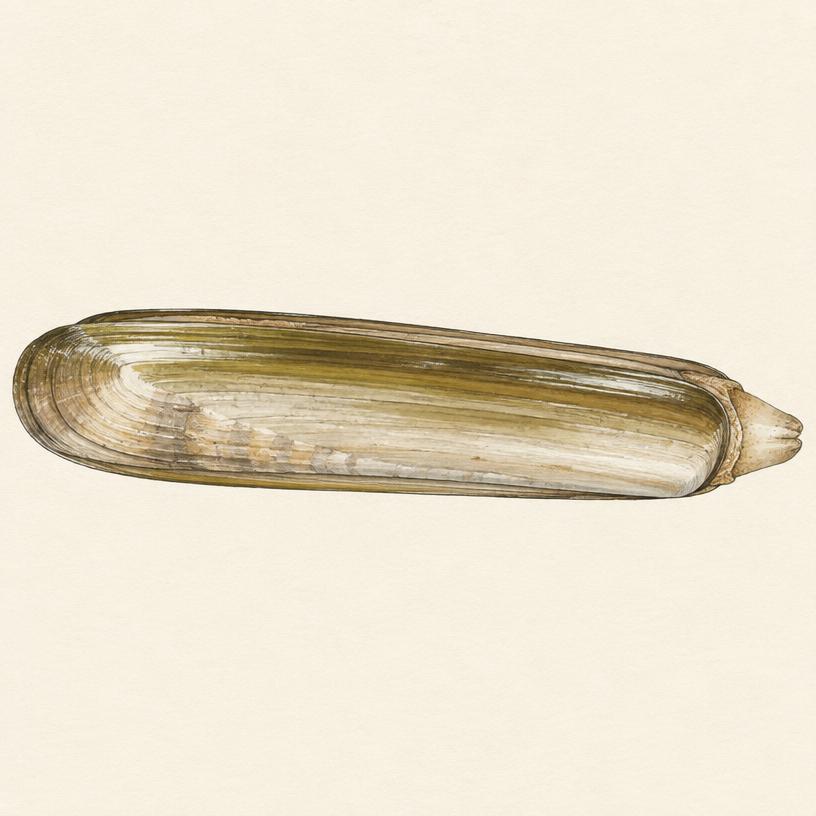
Lesson 5 · 1.5 h
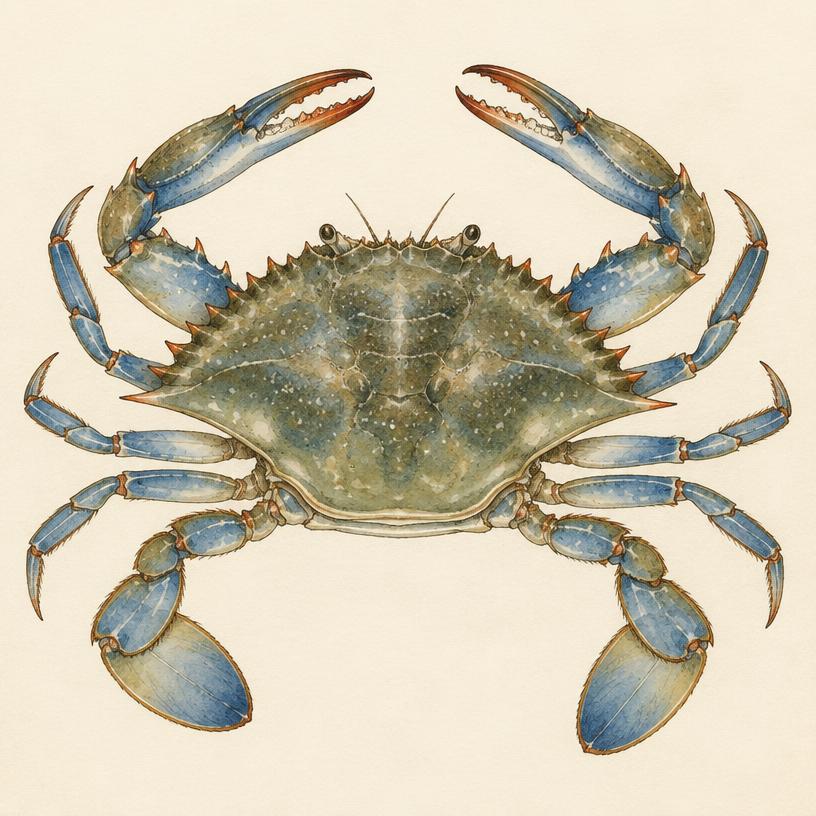
Lesson 6 · 1 h
We say plainly how well each part of the country is covered, rather than implying the whole country is written to the same depth.
Washington's Department of Health keeps a shellfish safety map that shows the current status for recreational beaches, and the Department of Fish and Wildlife publishes the harvest rules separately. Check both before you go.
Washington Department of Health, shellfish safety map · checked 2026-09-18Oregon's Department of Agriculture posts shellfish closures, and the Department of Fish and Wildlife explains toxins and harvest safety. The closure page is the one that governs whether you may harvest.
Oregon Department of Agriculture, shellfish closures · checked 2026-09-18California's health advisories and the annual mussel quarantine come from the state, and sport harvest rules come from the Department of Fish and Wildlife. California does not publish a live open or closed status for every beach the way Washington does.
California Department of Fish and Wildlife, ocean health advisories · checked 2026-09-18Alaska's Department of Environmental Conservation states that recreational shellfish beaches are not monitored by the state, so personal harvest is at your own risk. Certified commercial product is a different path.
Alaska DEC, recreational shellfish harvesting · checked 2026-09-18Everyone gets the same lessons, practice work, and knowledge checks. For $60 more you also get one real assignment that Jules reads and grades. You can see exactly how it is judged before you start, you pass at 80 percent, and you can rewrite and send it back as many times as you need. This is optional, and it is still not accredited and carries no continuing education credit.
The assignment
Trace a real shellfish growing area and what governs it.
Pick a classified shellfish growing area in any coastal state. Explain: where it is and what is grown there; how the state classifies it and what that classification allows; what closes it and who announces closures; how someone harvesting there would know the status on a given morning; and what the rules require after harvest. Cite each state page with the date you checked. Where the state does not publish live status, say so and describe what a harvester does instead.
How it is graded
The area and its classification stated correctly · 25 points
Classification, and what it permits, match the state's own published wording.
Closure triggers named · 25 points
Biotoxin, rainfall, or pollution triggers are described as that state actually defines them, with the notifying office named.
A workable morning check · 25 points
Your description of how a harvester confirms status is something a person could really do, including a phone line if that is what exists.
Post-harvest handling included · 25 points
Tagging, temperature, and time requirements are present and traced to the rule that sets them.
100 points in total. You pass at 80. Jules grades what you worked out, not your formatting or your word count.
The final lesson points to restoration and shellfish gardening projects, working farms that take seasonal help, regional Sea Grant and extension programs, the deeper hatchery and nearshore courses here, and college programs when credit and supervised hours are what you need.
This course does not carry accreditation, credit, or continuing education units, and completing it does not count toward any outside credential. It is written to the structure a continuing education standard expects, with measured hours, written outcomes, and a completion record you can keep.